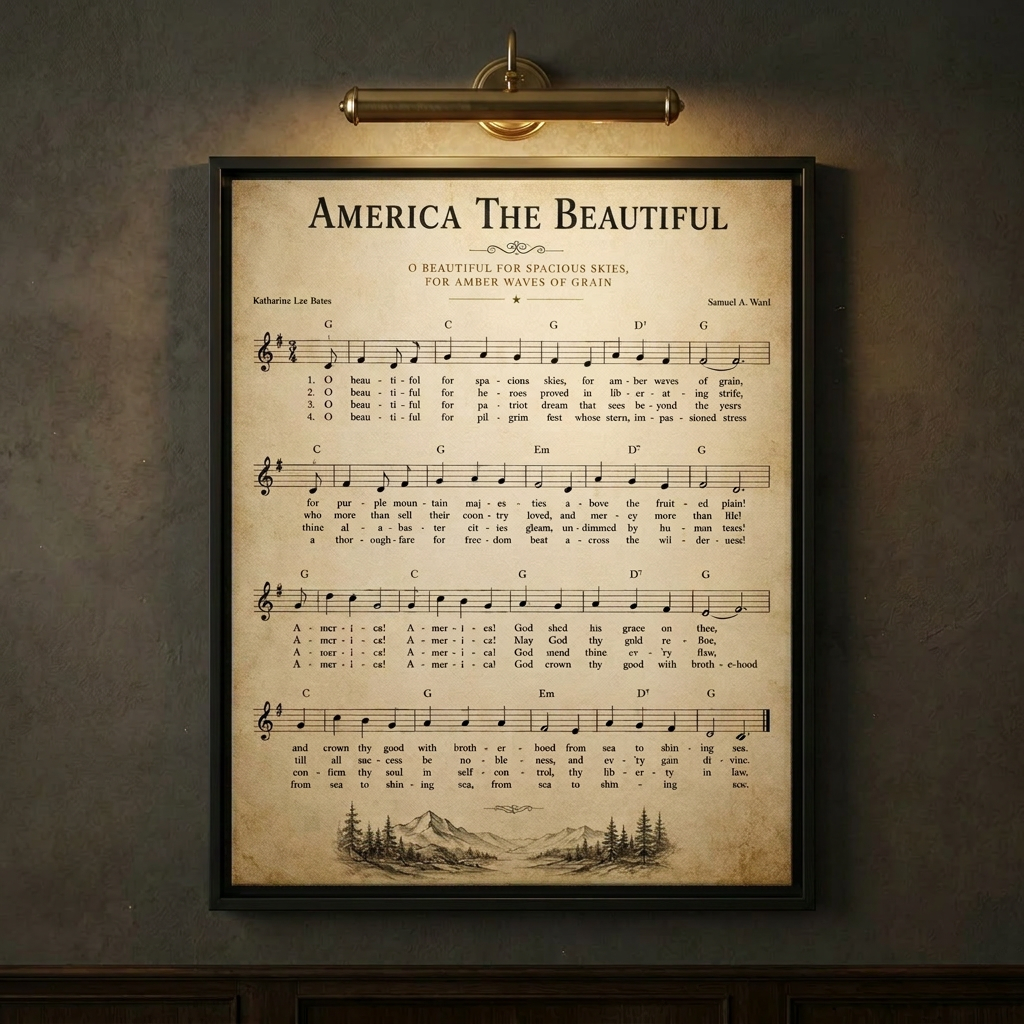
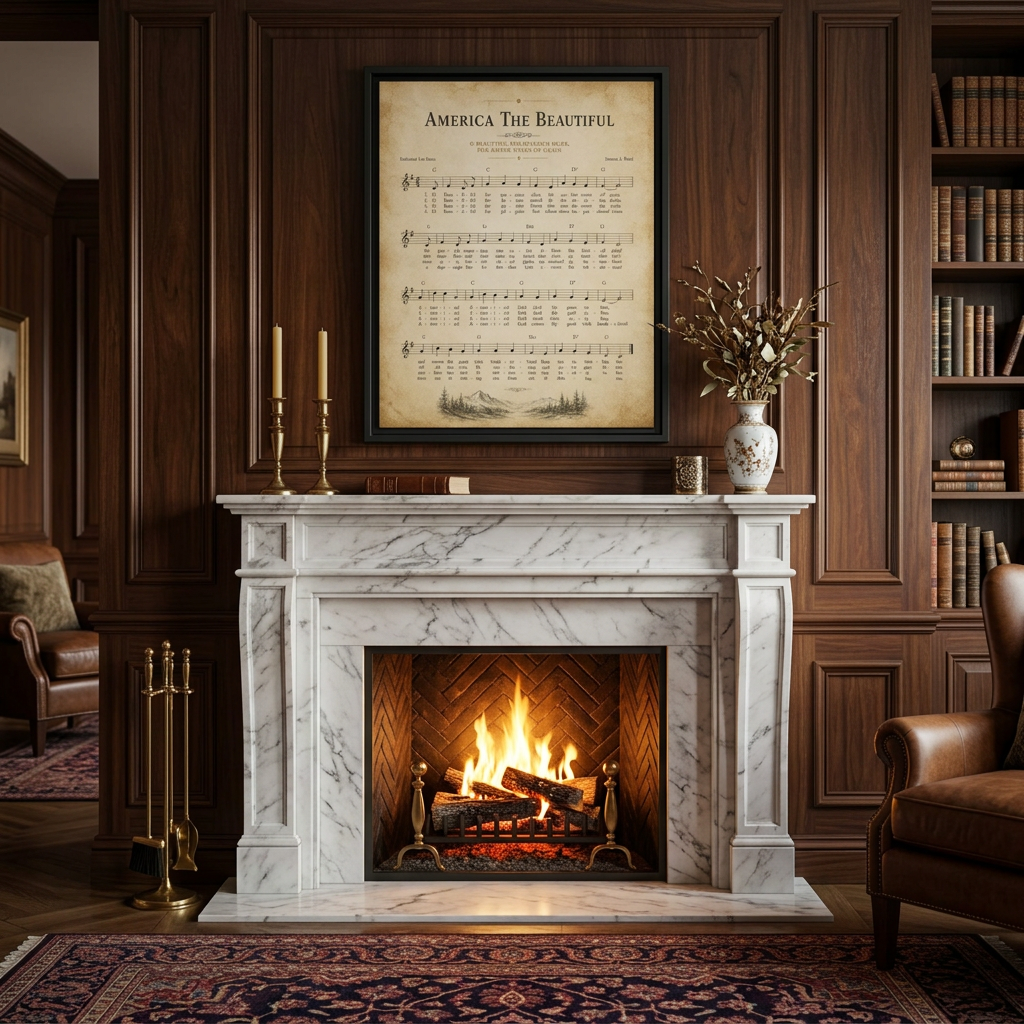
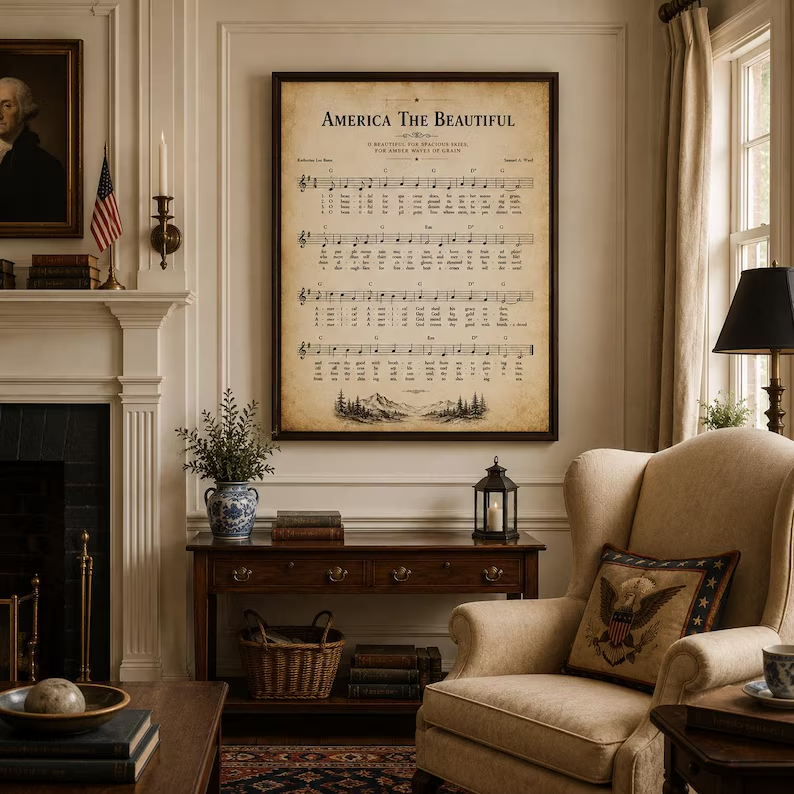
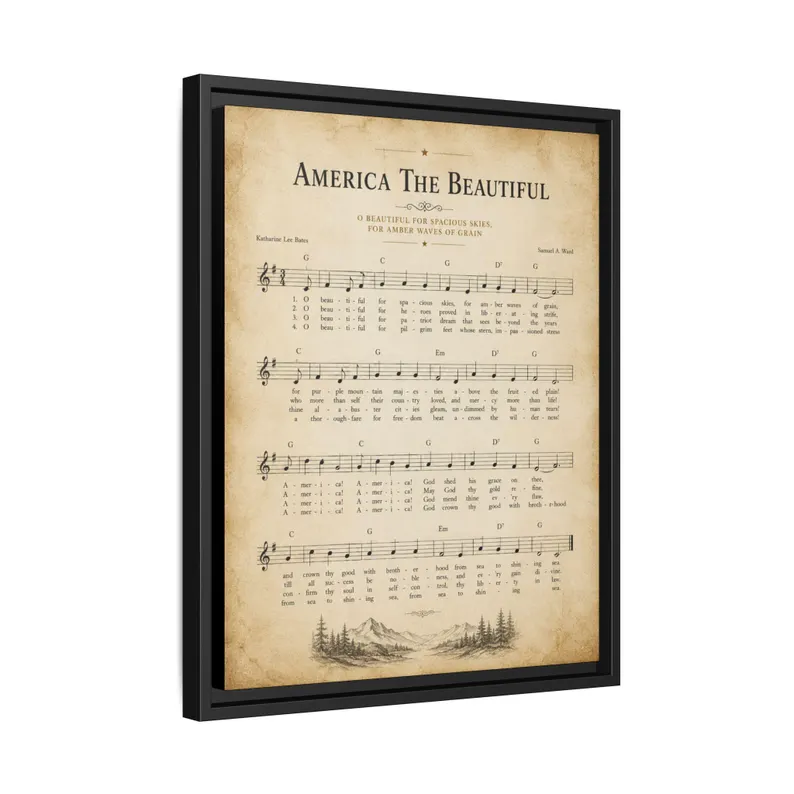
America The Beautiful
Words by Katharine Lee Bates · Music by Samuel A. Ward
1893 / 1882
A college professor stood at the summit of Pikes Peak in the summer of 1893 and looked out at a view so vast it stopped her breath. She wrote four lines in her notebook that night. It would take her nearly a decade of revision before the world heard them — but when it did, America the Beautiful became something even the National Anthem never quite managed to be: a hymn the whole country could sing together, about the land itself.
Size
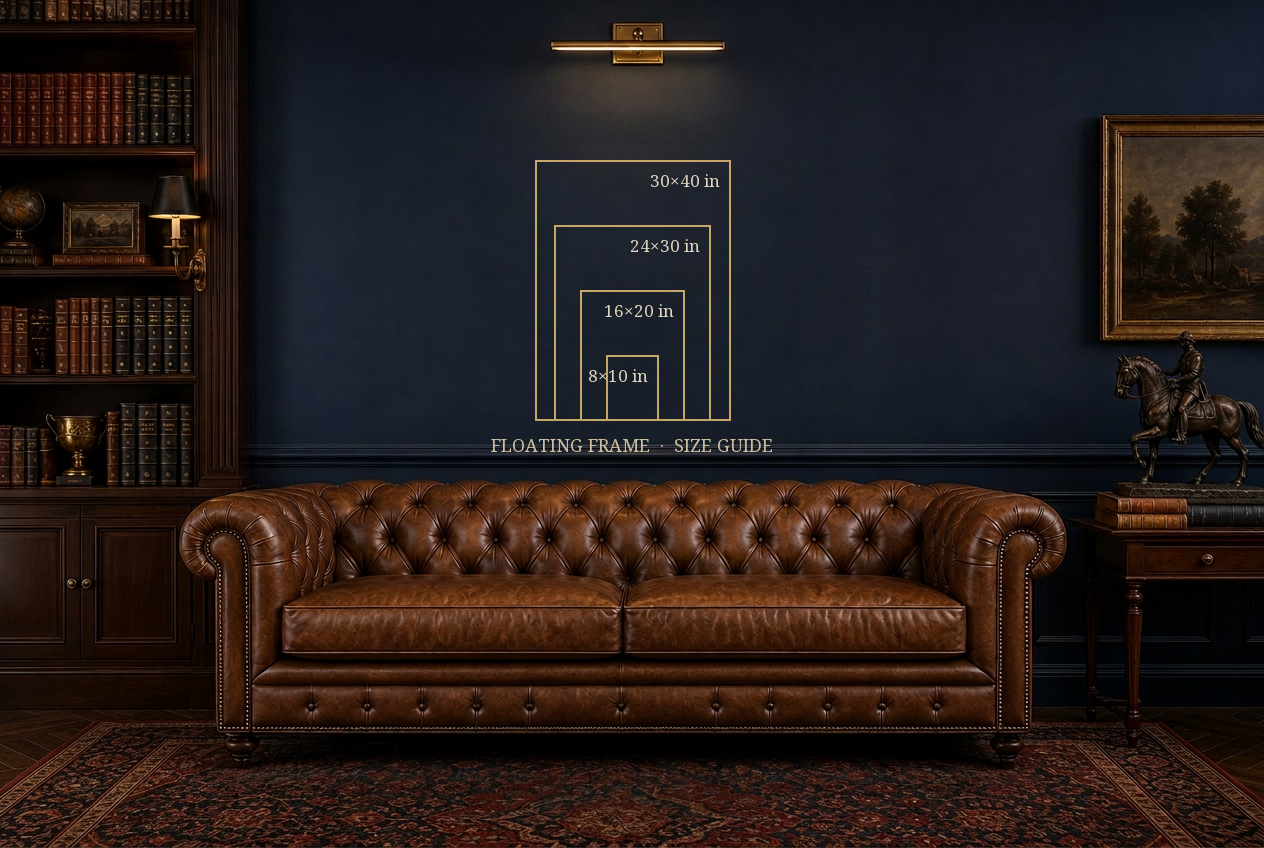
12″ x 16″ (Vertical)
Color
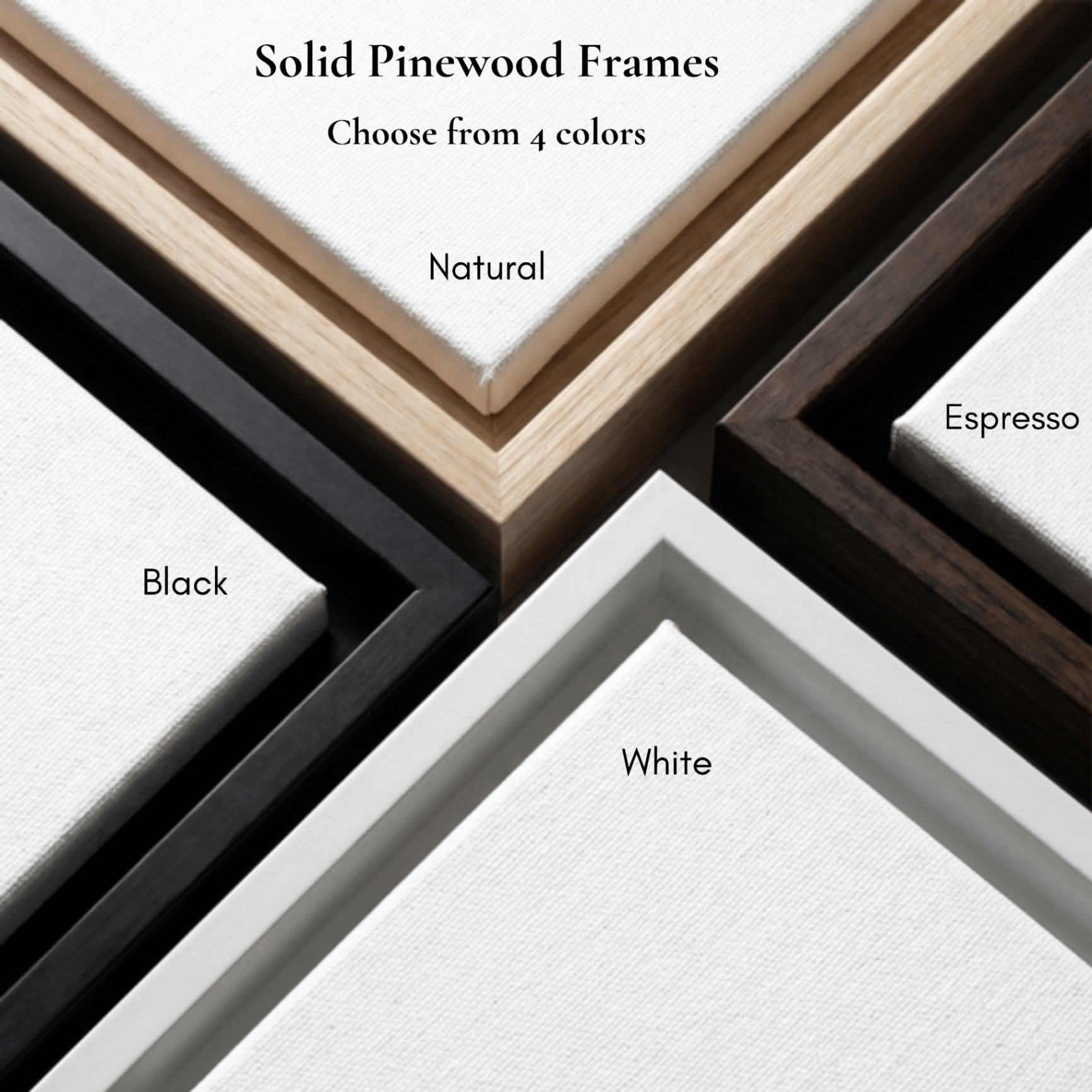
Espresso
The Story
The Story Behind This Piece
Katharine Lee Bates was an English professor at Wellesley College, not a songwriter, when she traveled west in the summer of 1893 to teach a short course at Colorado College.
The trip changed her. She visited the World's Columbian Exposition in Chicago, marveling at the gleaming "White City" built for the occasion. She traveled through the wheat fields of Kansas. And on July 22, 1893, she rode a wagon to the top of Pikes Peak, where the view of the Colorado landscape stretching toward the horizon left her, in her own words, overwhelmed with a sense of America's grandeur.
She wrote the original poem that night, scribbled in a notebook in her hotel room. It was published two years later in a small religious magazine and largely went unnoticed.
The poem might have stayed there — a minor literary footnote — if not for one detail. Bates had written it specifically to be sung to the tune of an existing hymn, Materna, composed by Samuel A. Ward in 1882. Ward had never met Bates and had no idea his melody would eventually be paired with her words. The combination, once discovered, fit with a kind of inevitability that neither had planned.
Bates continued to revise the poem for years, refining the language until she settled on what most Americans now know by heart. The hymn structure gave it something the era's other patriotic songs lacked — simplicity, singability, and a focus not on battles or government but on the physical beauty of the country itself. The wheat fields. The mountains. The shining sea.
By the early 20th century, America the Beautiful had become a genuine contender for national anthem — and to this day, many Americans say they prefer it to the Star-Spangled Banner, finding its melody more accessible and its sentiment more universal. It does not celebrate a battle. It celebrates the land, and the people who have shaped it, asking God to mend its flaws and crown its good with brotherhood.
Bates never grew wealthy from the song's success and never seemed to want to. She wrote, in later years, that she was simply grateful the poem had found its way into the nation's heart.
Why Own It
Some patriotic art celebrates what America has done. This one celebrates what America is.
America the Beautiful belongs in the American Legacy Collection as the lyrical counterpart to the battles, speeches, and signatures that fill the rest of the collection — a reminder that the American story is not only about what was fought for, but about the land itself, and the unfinished hope that the country might live up to its own beauty. Katharine Lee Bates climbed a mountain and wrote about wonder. That sentiment has outlived nearly every other patriotic song of its era.
This is a piece for the home that wants warmth alongside history. The music room or study that honors the lyrical tradition of American patriotism as much as its military one. The space that wants a piece both grandparents and grandchildren recognize on sight and can hum without prompting.
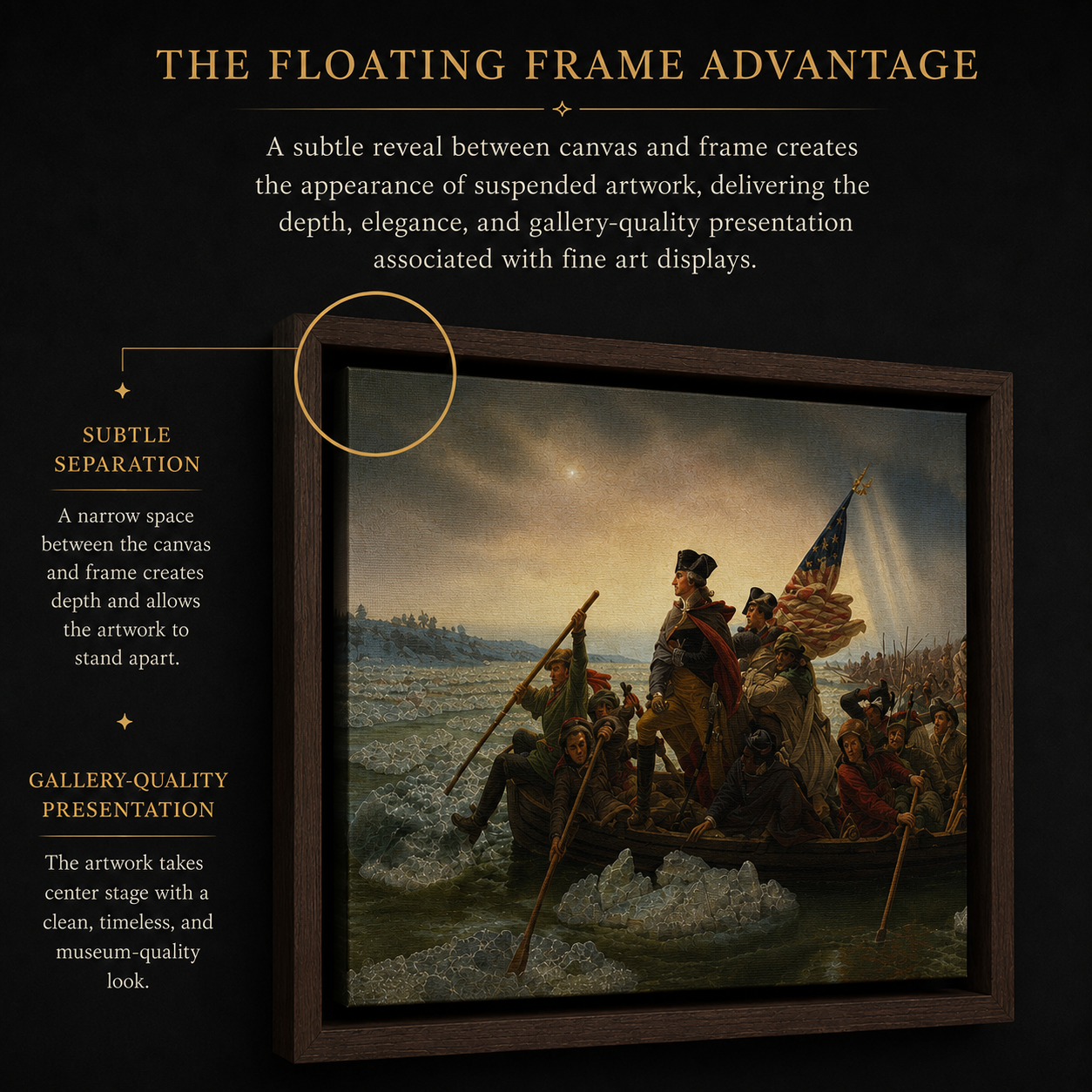
Printed on premium cotton-poly canvas with archival-quality, Greenguard Gold certified inks, it is built to the same standard of permanence the subject deserves — color that endures, detail that holds, a frame crafted from sustainably sourced FSC-certified pine that will outlast the trends.
Part of the American Legacy Collection — a curated series tracing the arc of the American story from the colonial era through World War II. Own one chapter or collect them all.
Crafted for collectors. Built to be passed down.
Frequently Asked