The Second Amendment to the United States Constitution
Drafted by James Madison (American, 1751–1836), Bill of Rights
Ratified 1791
Twenty-seven words, ratified in 1791, that have generated more legal argument, more Supreme Court cases, and more sustained national debate than almost any other sentence in American history. The Second Amendment was written by men who had just fought a war that began, in part, with British troops marching to seize colonial weapons. Whatever you believe it means today, understanding why it was written is where the conversation has to start.
Size
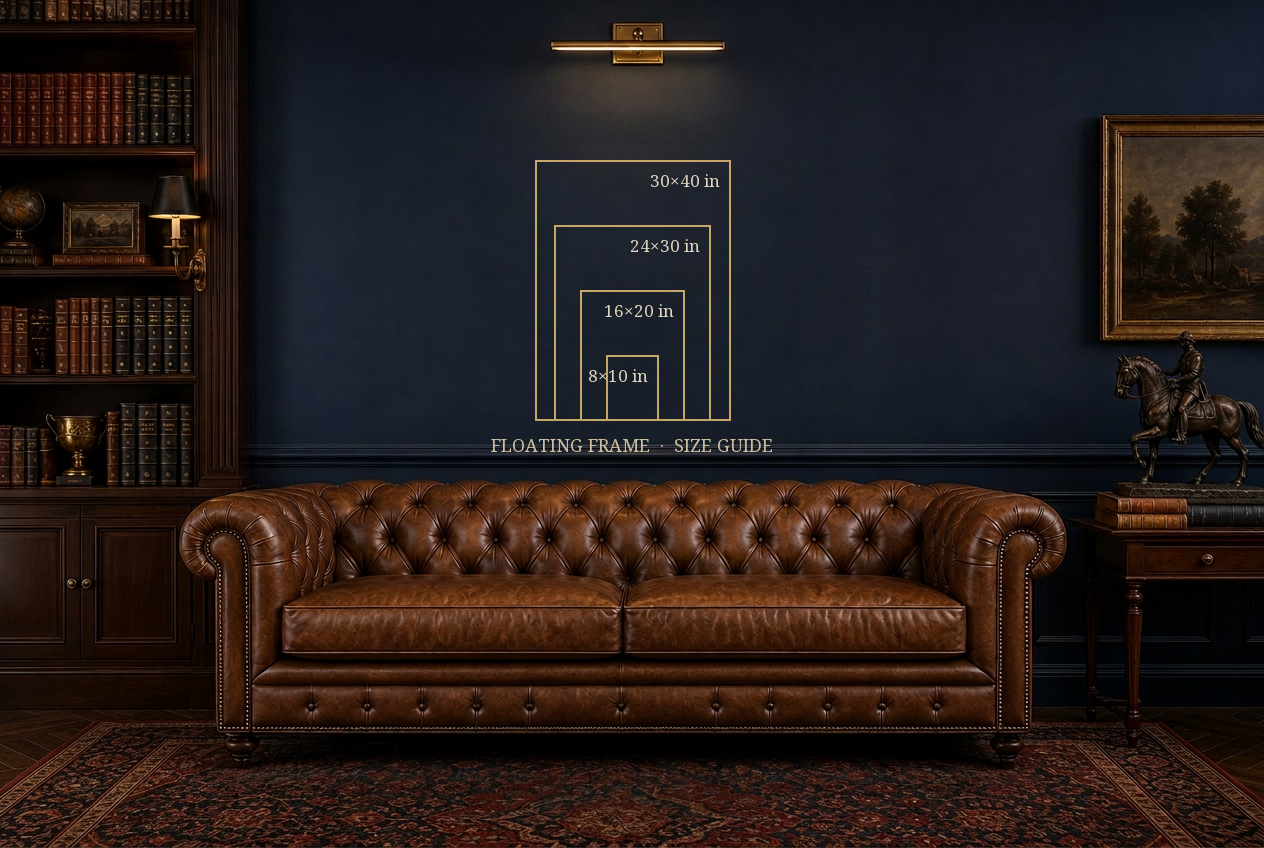
16″ x 24″ (Vertical)
Color
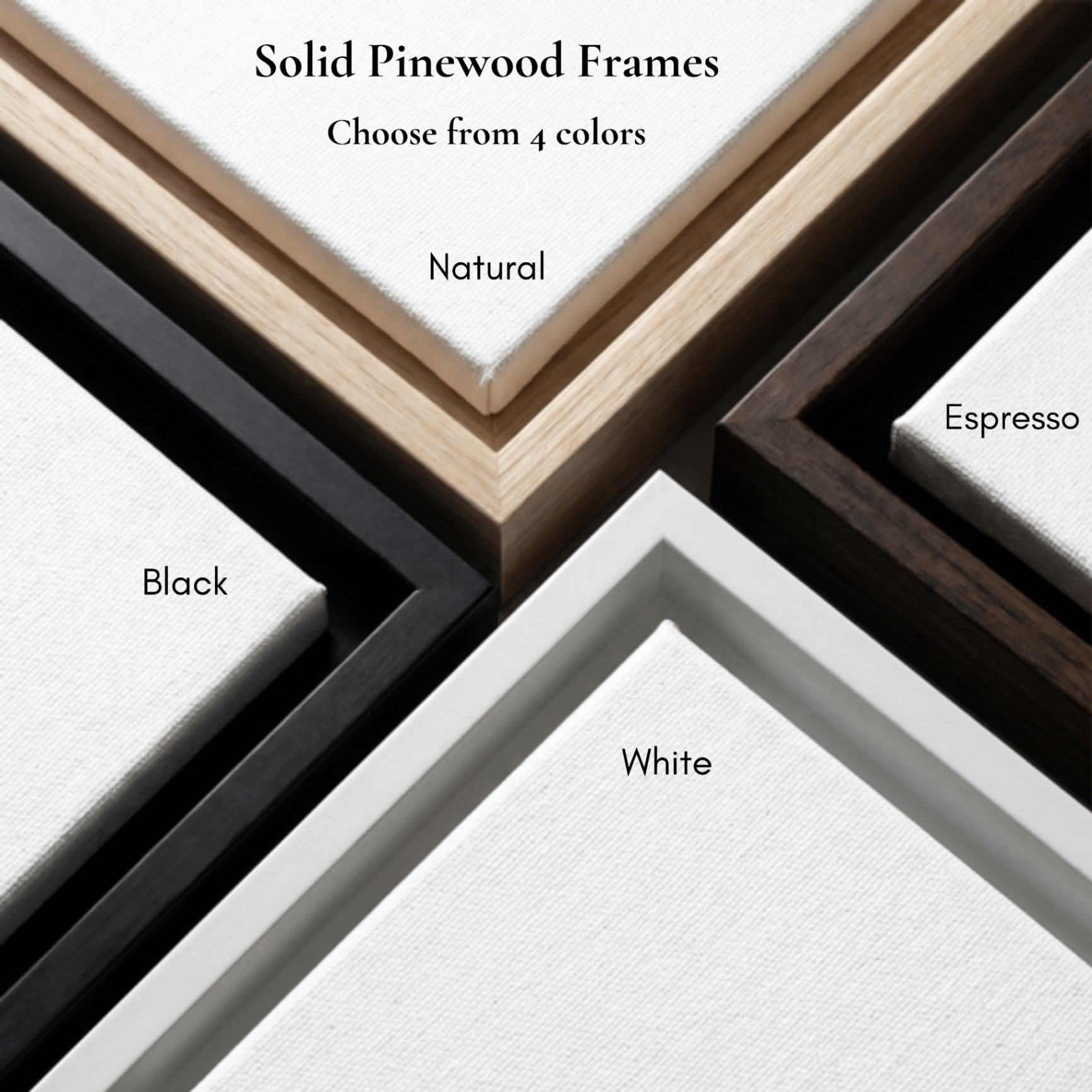
Black
The Story
The Story Behind This Piece
By 1791, the men who wrote the Bill of Rights had recent, vivid memory of exactly what an armed citizenry could do — and what an unarmed one could not.
The Revolutionary War had effectively begun on April 19, 1775, when British troops marched to Concord, Massachusetts, with orders to seize a cache of colonial militia weapons and gunpowder. The colonists who turned out to resist that effort — farmers, tradesmen, ordinary men who kept their own muskets at home — fired the shots that started the war. The Founders did not view that as incidental. They viewed an armed, organized citizen militia as the mechanism that had made independence possible in the first place, and as an essential check against the kind of standing army and concentrated government power they had just spent eight years fighting to escape.
James Madison drafted the language that would become the Second Amendment as part of the Bill of Rights, ratified in 1791. The text reflects a specific historical anxiety — fear of a powerful central government with a standing army and no organized check on its authority, paired with a belief that an armed populace, organized into militias, served as that check.
The amendment's exact meaning — whether it protects an individual right to bear arms or specifically the right to serve in an organized militia — has been debated by legal scholars, courts, and citizens for well over two centuries. The Supreme Court has weighed in directly on the question multiple times in American history, including significant rulings in the 21st century that addressed the scope of individual gun ownership rights.
What is not contested is the historical context that produced it: a generation that had just used armed resistance to overthrow what it considered tyranny, writing into permanent law their belief that the tools of that resistance should remain available to the citizens who might need them again.
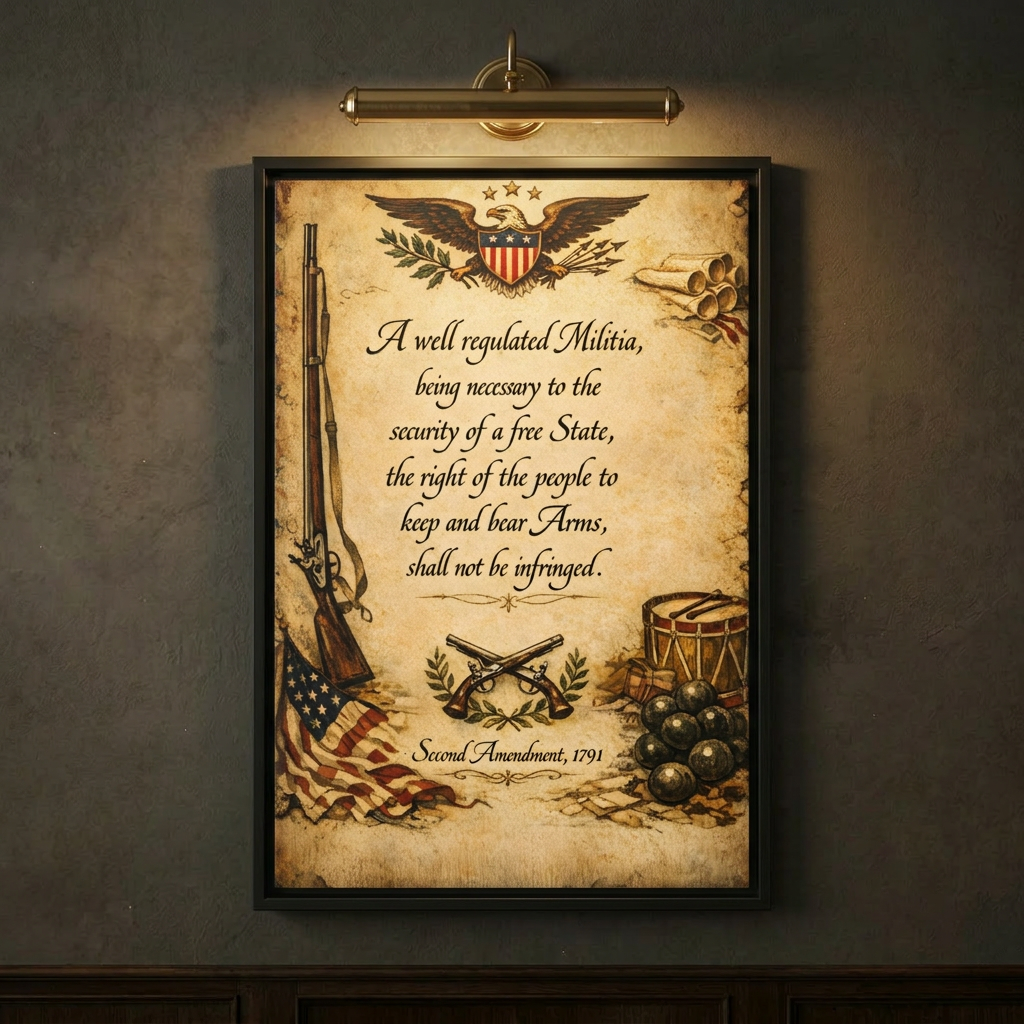
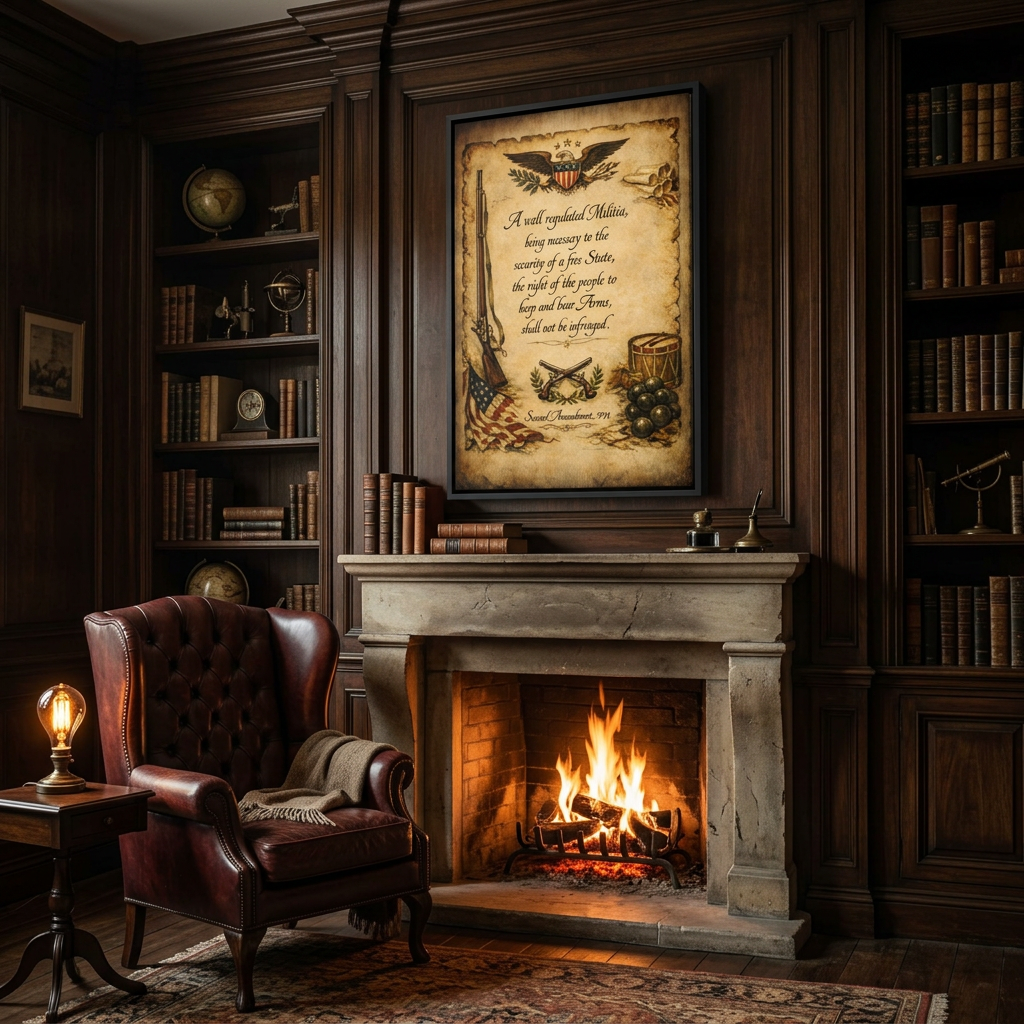
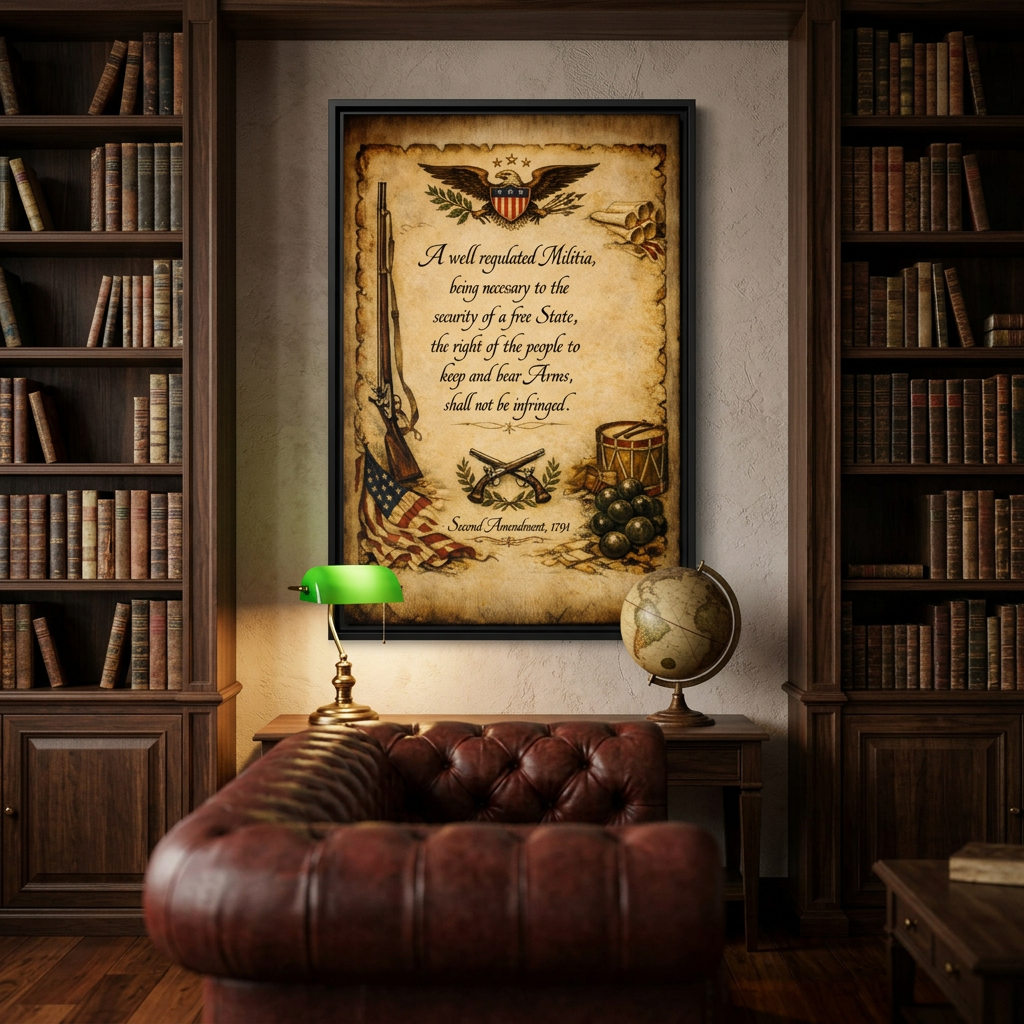
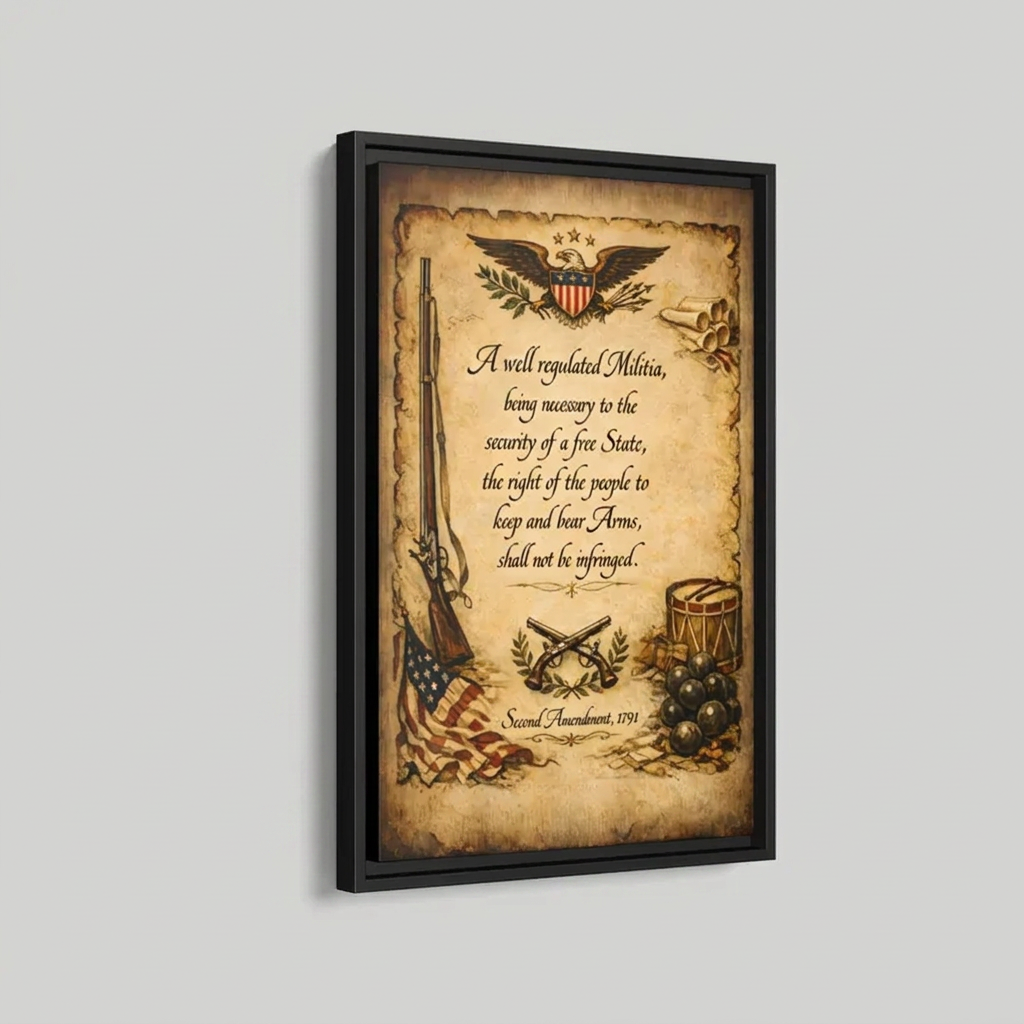
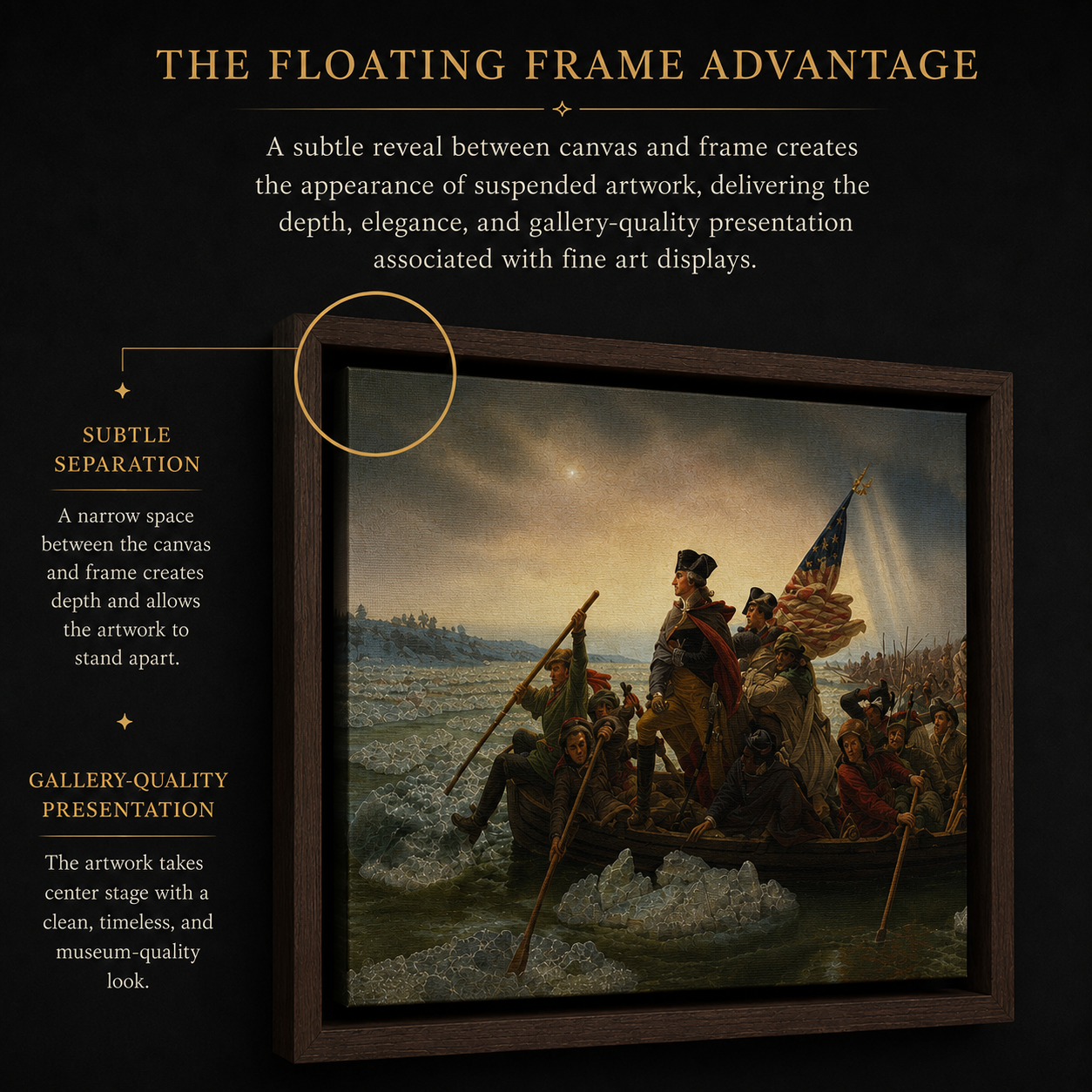
This piece presents the amendment's text as it was ratified — alongside the imagery of the era it came from: the musket, the flag, the drum and powder of a militia prepared to answer the call. It is a historical document, displayed as the Founders themselves might have understood it — not as an abstract legal question, but as a hard-won conclusion from men who had just lived through what happens when citizens have no recourse against power.
Why Own It
Few documents in American history carry as much ongoing weight as this one.
The Second Amendment belongs in the American Legacy Collection as a reminder that the founding generation's debates were not settled the moment they were written down — they continue, often fiercely, to this day. This piece does not attempt to resolve that debate. It presents the words exactly as ratified, in the context of the era that produced them, and invites the viewer to engage with one of the most consequential and continuously relevant texts in American history.
This is a piece for the study, the office, or the collection of anyone who values primary historical documents and the principles the founding generation fought to establish — regardless of where they land on the questions those documents continue to raise today.
Printed on premium cotton-poly canvas with archival-quality, Greenguard Gold certified inks, it is built to the same standard of permanence the subject deserves — color that endures, detail that holds, a frame crafted from sustainably sourced FSC-certified pine that will outlast the trends.
Part of the American Legacy Collection — a curated series tracing the arc of the American story from the colonial era through World War II. Own one chapter or collect them all.
Crafted for collectors. Built to be passed down.
Frequently Asked