
The Spirit of '76
Archibald Willard (American, 1836–1918)
1875
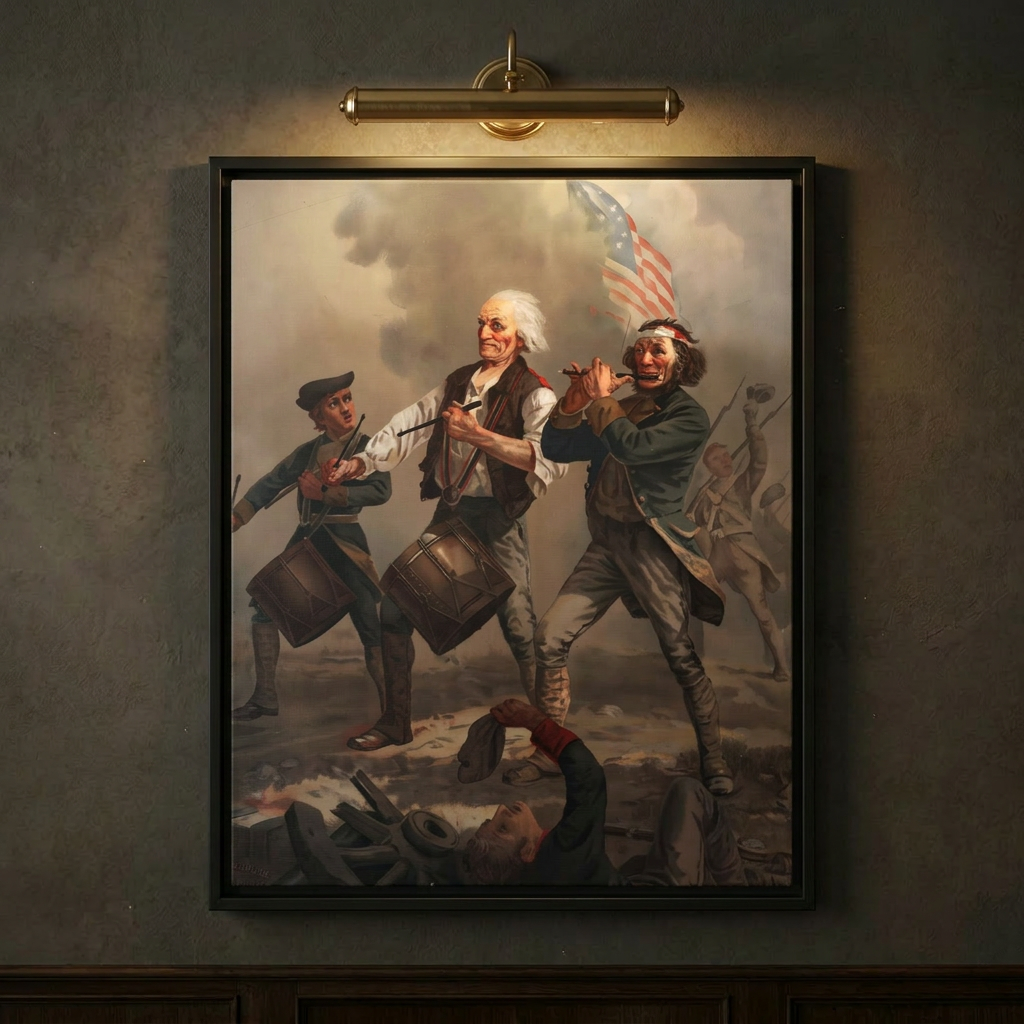
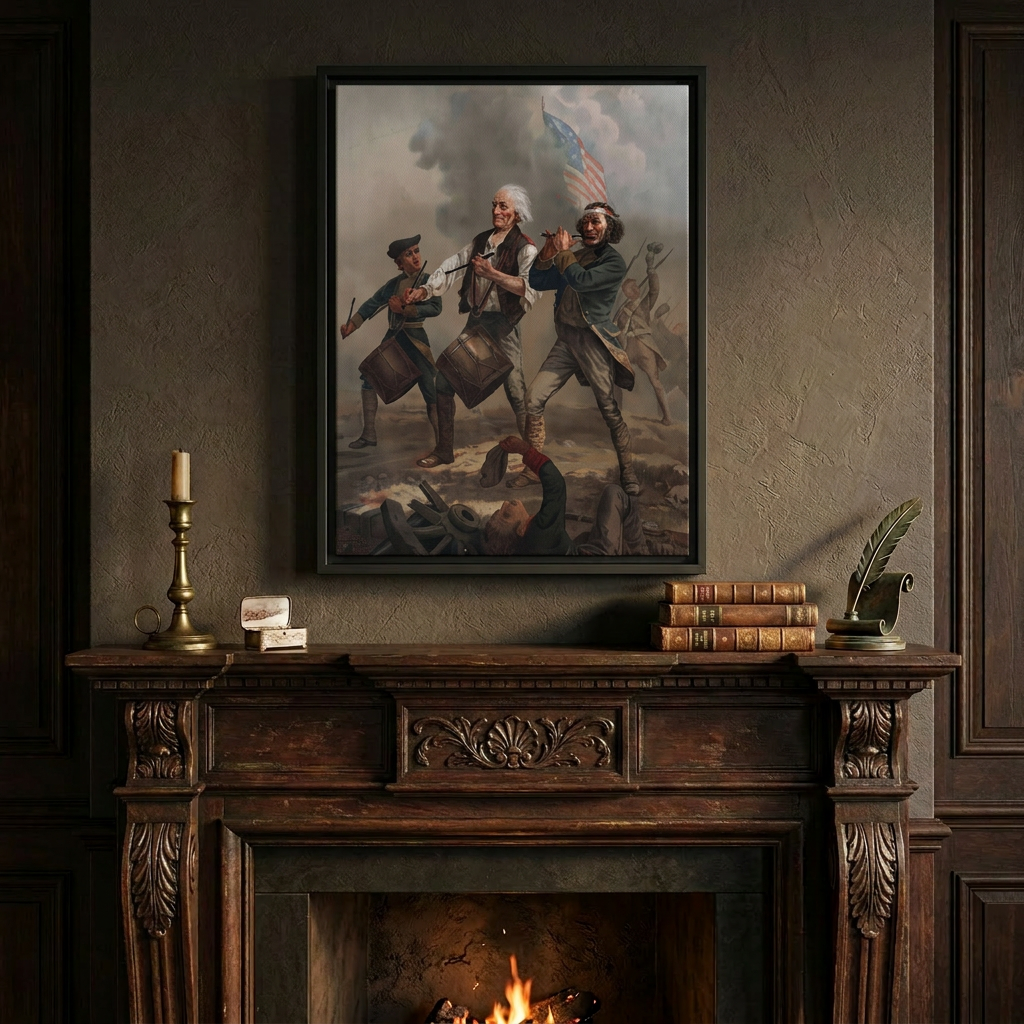
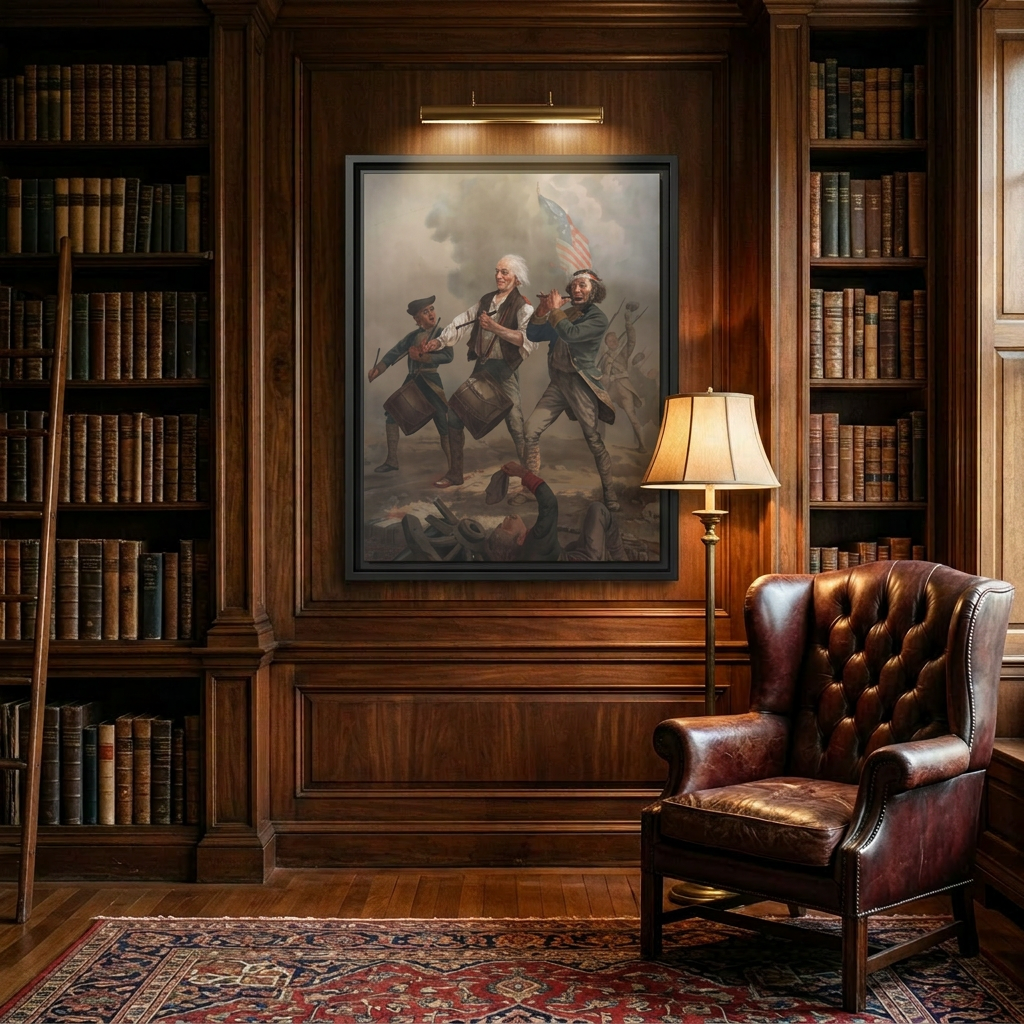
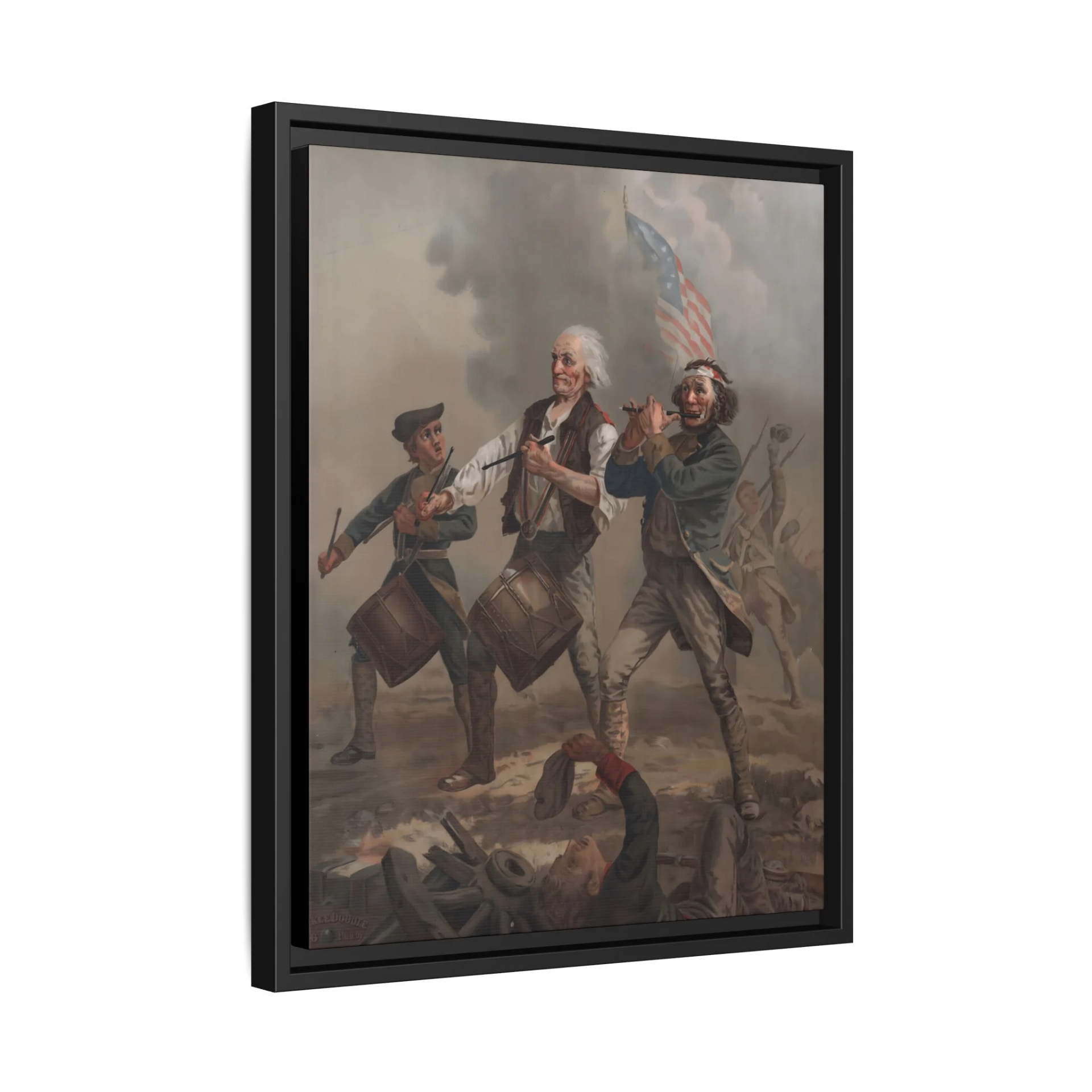
Three figures march through the smoke of battle. An old man. A wounded soldier. A boy. None of them soldiers by trade. All of them moving forward anyway — drumming and fifing their way through the chaos while the Continental Army follows in their wake. Archibald Willard painted the model for the white-haired drummer at center from his own father. He wanted Americans to recognize themselves in this painting. For 150 years, they have.
Size
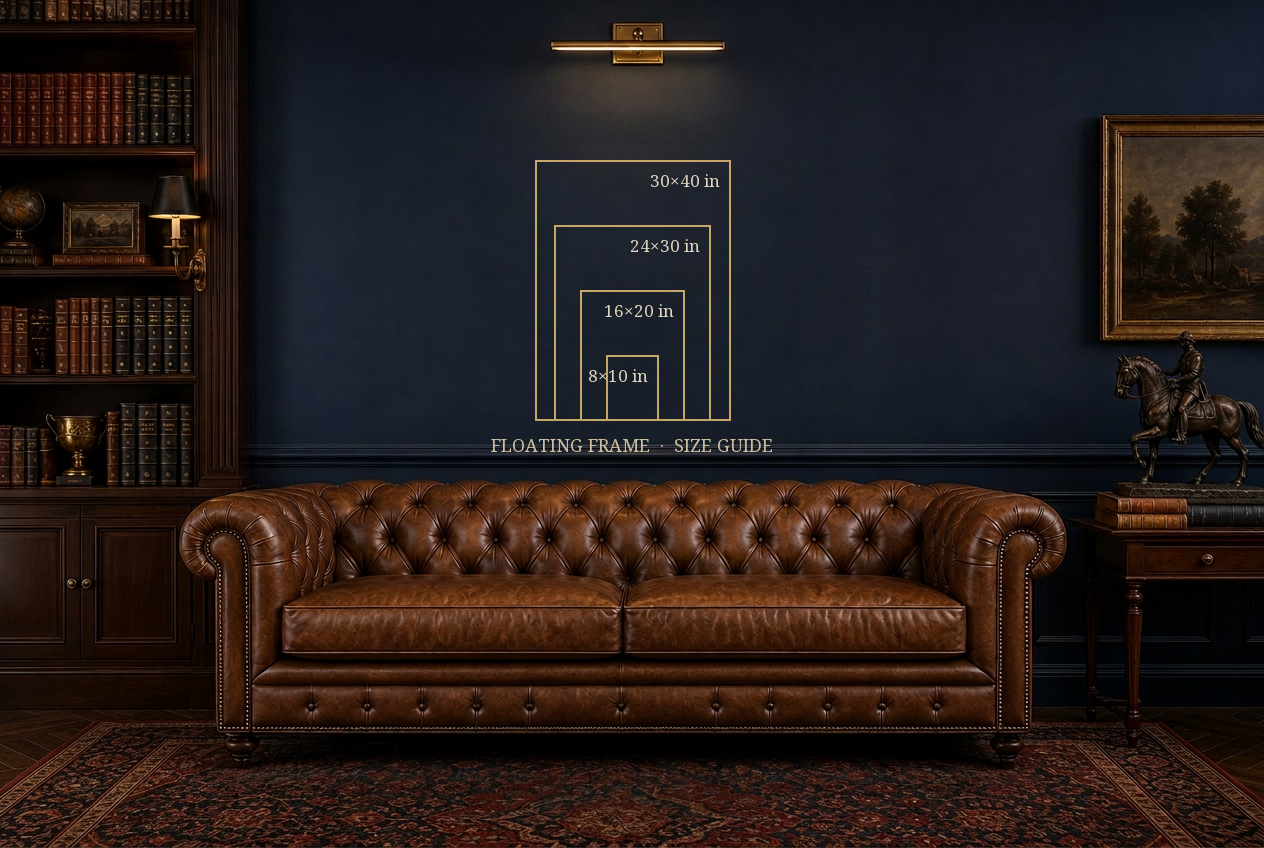
8″ x 10″ (Vertical)
Color
Black
The Story
The Story Behind the Painting
It did not begin as a masterpiece.
Archibald Willard was a carriage painter from Wellington, Ohio — a working man with a gift for illustration who had served in the Union Army during the Civil War. In 1875, watching a Fourth of July parade pass through his town square, something struck him. Not the spectacle of the parade itself but the ordinary people in it — their faces, their energy, their unselfconscious pride. He went home and started sketching.
His first version was almost comic. A lighthearted scene of musicians marching with exaggerated expressions, meant to capture the humor and spirit of a small-town holiday celebration. But as he worked, something shifted. The sketch became a painting. The humor deepened into something more serious. The faces became more determined. The background filled with smoke and the suggestion of battle.
For the central figure — the white-haired drummer driving the march forward — Willard used his own father as the model. It was a decision that changed everything about the painting. The old man at center is not a symbol. He is someone's father. He is everyone's father. And he is marching.
Willard submitted the painting to the Philadelphia Centennial Exposition of 1876 — the great national celebration of America's 100th birthday. The response was unlike anything the Exposition had seen. Crowds gathered in front of it and refused to move. Critics who expected to be unmoved found themselves unable to look away. The painting captured something about the American character that no amount of formal historical painting had managed — the idea that courage was not the exclusive property of generals and statesmen but of ordinary people who simply refused to stop.
The painting went on tour. Boston. San Francisco. Sell-out crowds in every city. Reproductions appeared in homes, schools, and government buildings across the country. It became — and remains — one of the most reproduced images in American history.
The original hangs today in the Selectmen's Room at Abbot Hall in Marblehead, Massachusetts — a short drive from the battlefields where the real Spirit of '76 was first tested 250 years ago. It has never left New England. It has never needed to.
A carriage painter from Ohio watched a parade and saw something true about his country. The rest of America recognized it immediately.
Why Own It
Some paintings are admired. This one is felt.
The Spirit of '76 belongs in the American Legacy Collection because it answers a question every other Revolutionary War painting leaves unasked — not who were the great men of 1776, but who were the ordinary ones? The old man too old to fight who marched anyway. The young soldier already wounded who kept playing. The boy who had no business being there and went anyway. These are not famous names. They are the Revolution.
Willard painted this in 1875 — one hundred years after the events it depicts — because he understood that the centennial moment demanded not just commemoration but recognition. Recognition of the people history tends to overlook. The ones who showed up without being celebrated for it.
This is a piece for the home that understands that courage is not reserved for the young, the uninjured, or the famous. The office that draws its determination from the image of people who kept moving forward regardless. The study that wants its walls to ask something of the person sitting in front of them.
Printed on premium cotton-poly canvas with archival-quality, Greenguard Gold certified inks, it is built to the same standard of permanence the subject deserves — color that endures, detail that holds, a frame crafted from sustainably sourced FSC-certified pine that will outlast the trends.
Part of the American Legacy Collection — a curated series tracing the arc of the American story from the colonial era through World War II. Own one chapter or collect them all.
Crafted for collectors. Built to be passed down.
Frequently Asked