
The Passage of the Delaware
Thomas Sully (American, 1783–1872)
1819
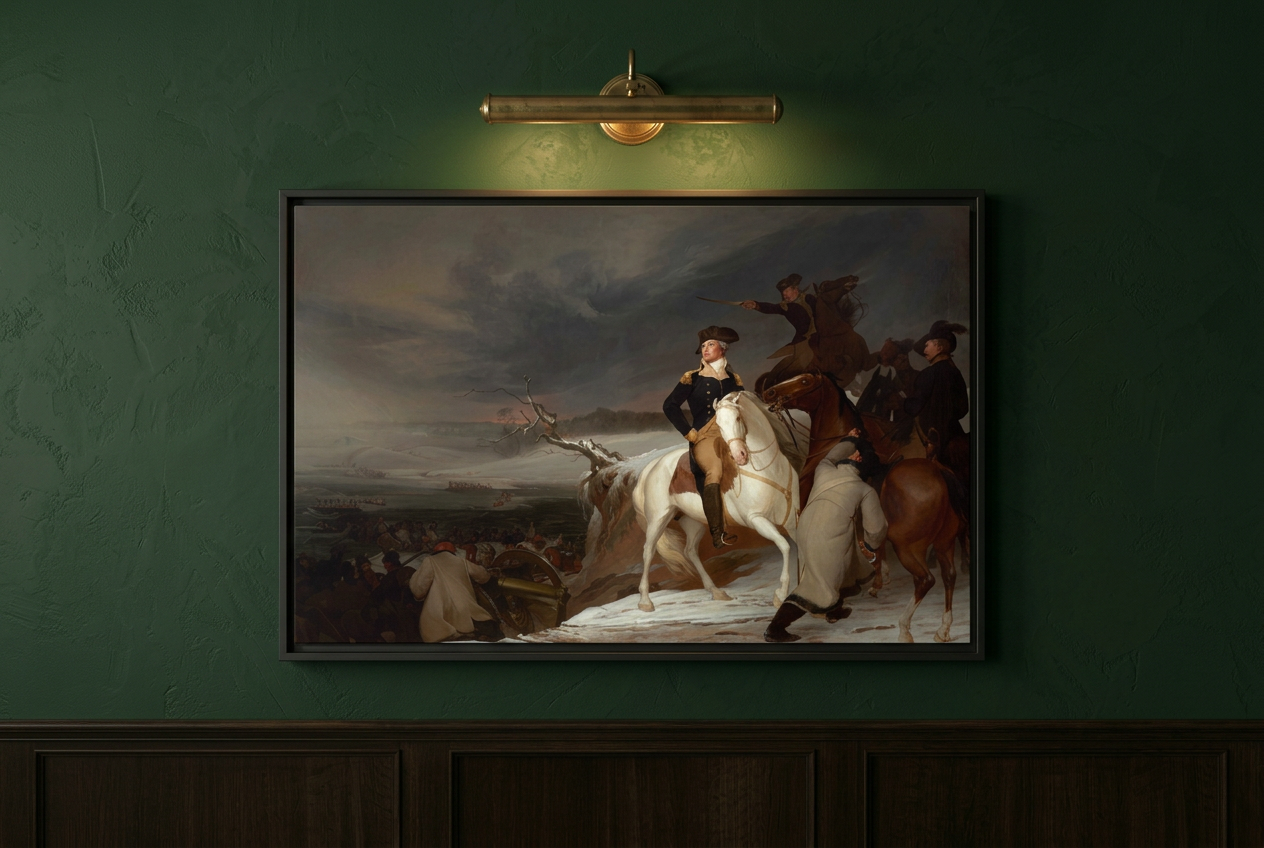
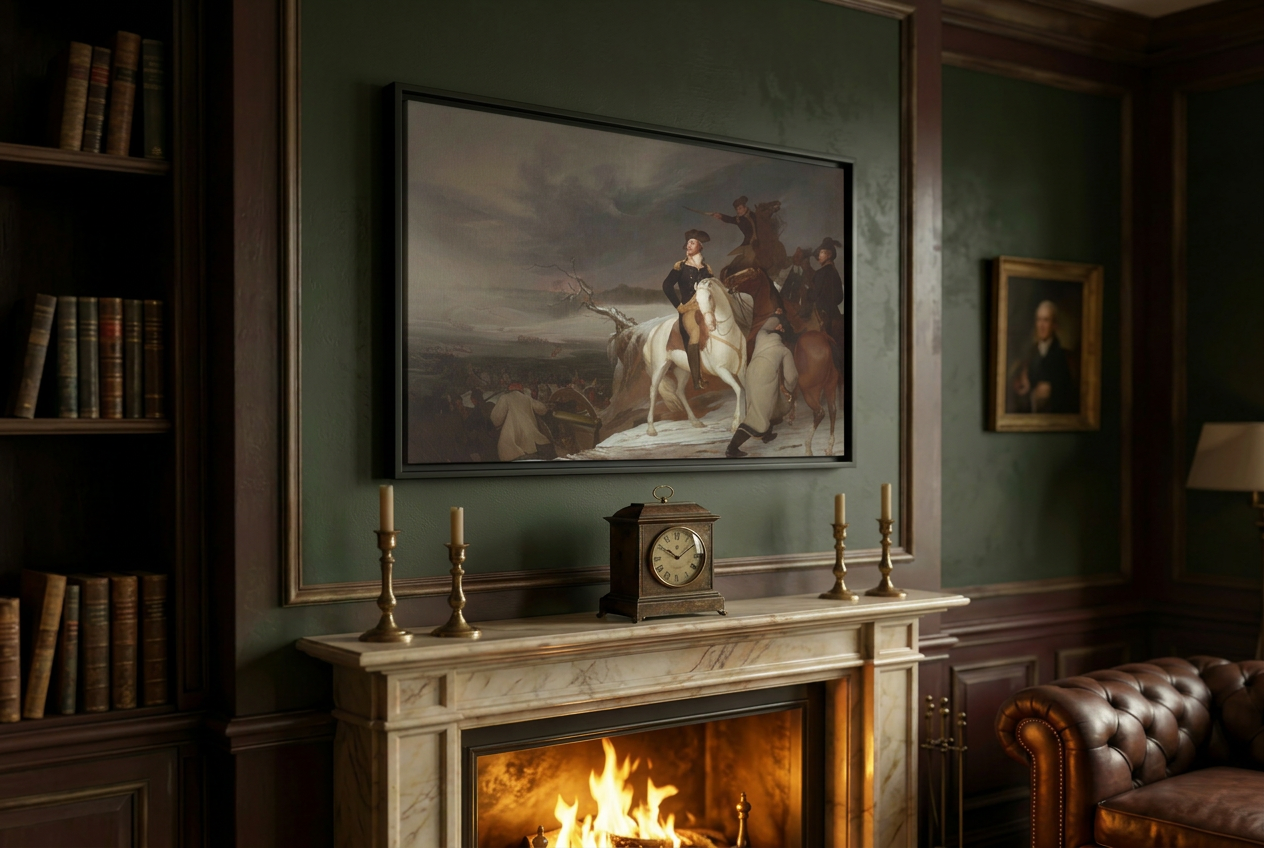
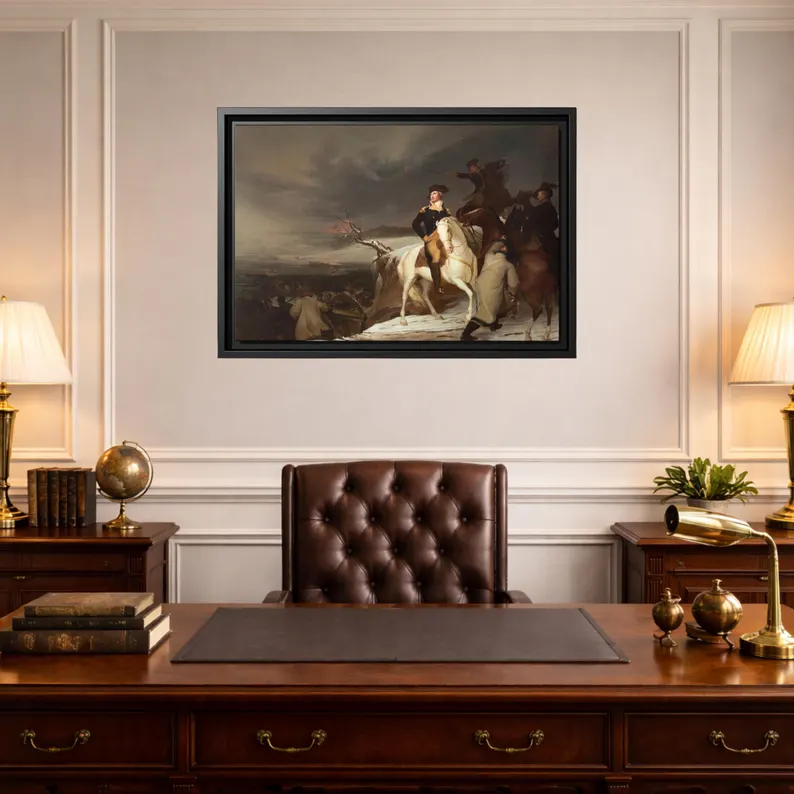
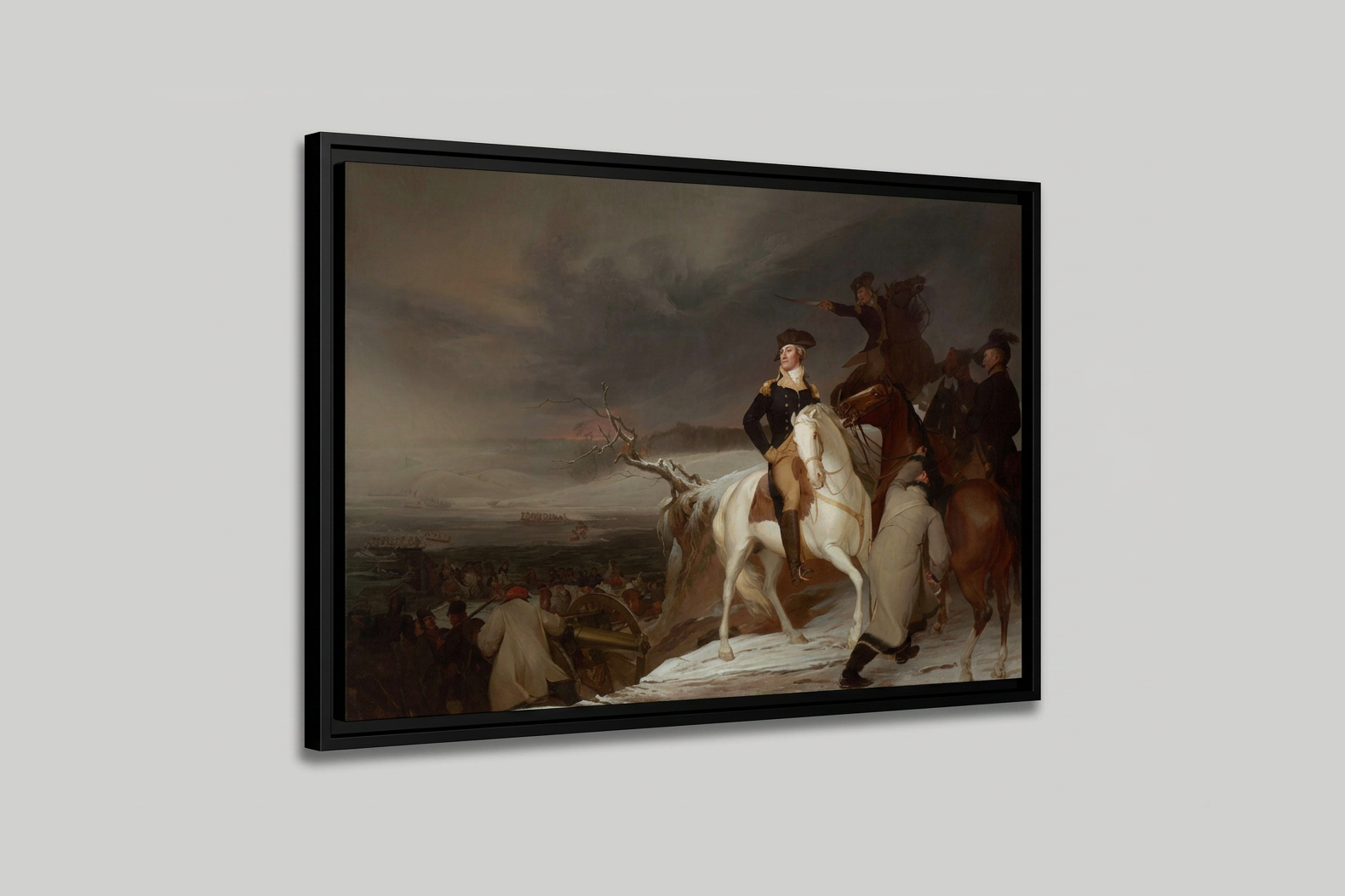
Everyone knows the crossing. Almost no one knows this painting. While Emanuel Leutze's version shows Washington standing in the boat — heroic, composed, already certain of victory — Thomas Sully painted the moment after: Washington on horseback on the far bank, leading his army forward into the dark before dawn, the Delaware behind them and Trenton ahead. Same night. Different truth. This is the painting that shows what leadership actually looks like when the crossing is done and the real work begins.
Size
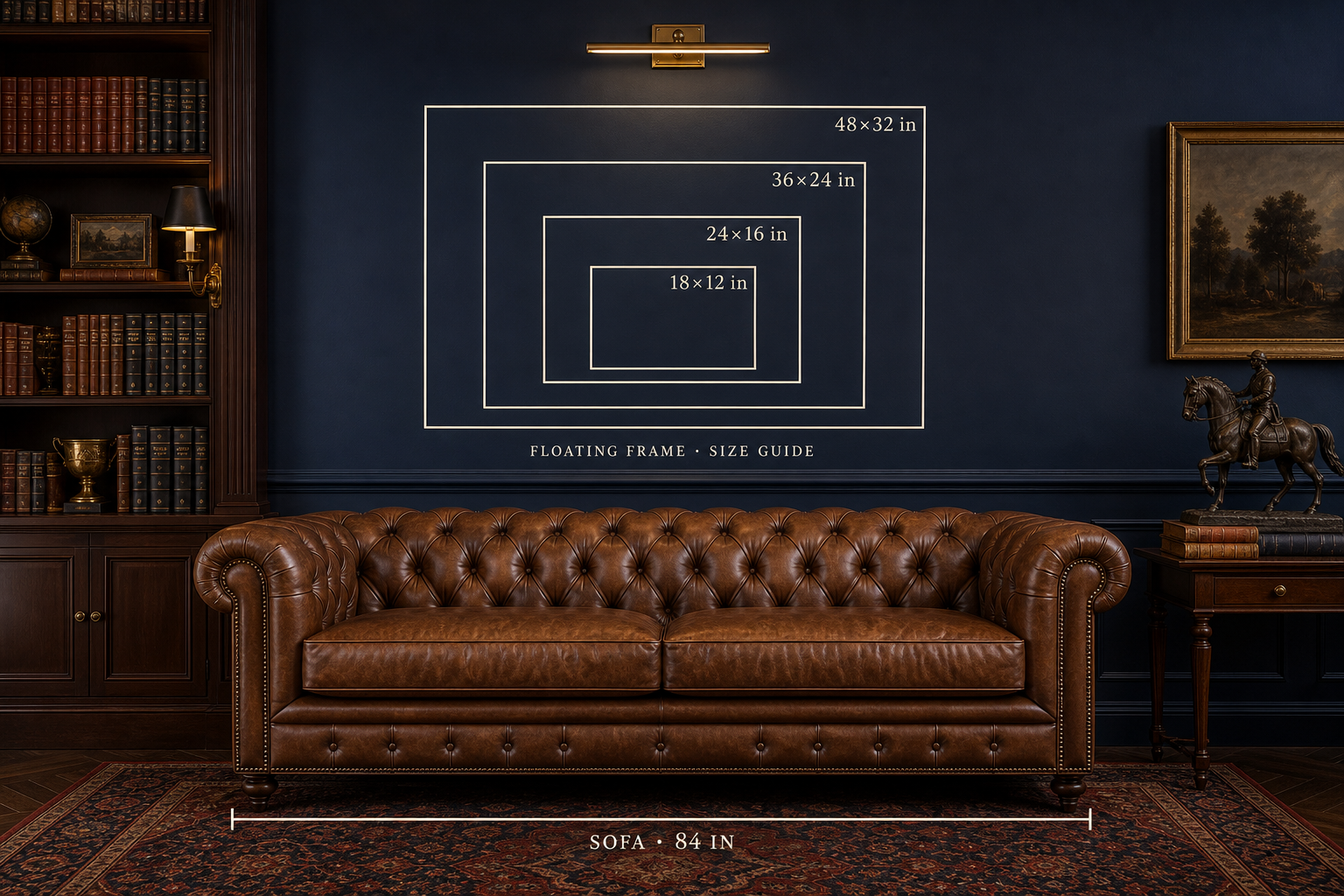
18″ x 12″ (Horizontal)
Color
Black
The Story
The Story Behind the Painting
On the night of December 25-26, 1776, George Washington led 2,400 Continental soldiers across an ice-choked Delaware River in brutal sleet and darkness to launch a surprise attack on Hessian forces at Trenton, New Jersey. The password for the operation was "Victory or Death." There was no contingency plan.
Most people know what happened that night through one image — Emanuel Leutze's monumental 1851 painting, which shows Washington standing at the prow of the boat, flag behind him, soldiers struggling at the oars. It is one of the most famous paintings in American history.
Thomas Sully painted the same event thirty-two years earlier — in 1819 — and chose a different moment entirely.
Sully was one of the most celebrated portrait painters in early America, a Philadelphia-based artist who had studied under Gilbert Stuart and whose portraits of Washington, Jefferson, and other founders are among the finest of the era. When he turned to the Delaware crossing, he did not paint the boat. He painted what came after — Washington mounted on horseback, his officers around him, the army moving forward through the darkness toward Trenton with the river already behind them.
The choice was deliberate and reveals something important about how Sully understood leadership. The crossing itself — however dangerous, however dramatic — was not the decision. The decision had already been made. What Sully captured was the execution: Washington in motion, committed, leading from the front toward an objective that had to be taken before dawn or the operation would fail entirely.
Sully's painting — now held in the Museum of Fine Arts, Boston — has never achieved the cultural ubiquity of Leutze's version, painted three decades later. In some ways this is unjust. Sully's Washington is perhaps more honestly rendered — not a symbolic figure standing above the chaos, but a commander on horseback in the dark, moving forward because that is what the moment required.
The two paintings together tell the complete story of that night — the river, and what came after it.
Why Own It
Some paintings show the moment of decision. This one shows what comes next.
The Passage of the Delaware by Thomas Sully belongs in the American Legacy Collection alongside Leutze's famous crossing as its necessary companion — the moment after the river, when the decision has already been made and the only thing left is to see it through. Washington on horseback in the dark, his army behind him, Trenton ahead.
This is a piece for the executive office where decisions are not just made but executed. The study that understands that leadership is not a single dramatic moment but the steady movement forward that follows it. The collector who wants both paintings — the crossing and what came after it — because they understand that the complete story requires both.
The panoramic horizontal format and the dark, dramatic palette make this one of the most commanding pieces in the American Legacy Collection — built for a large wall, a significant room, and an owner who appreciates that the lesser-known version of a famous story is sometimes the more honest one.
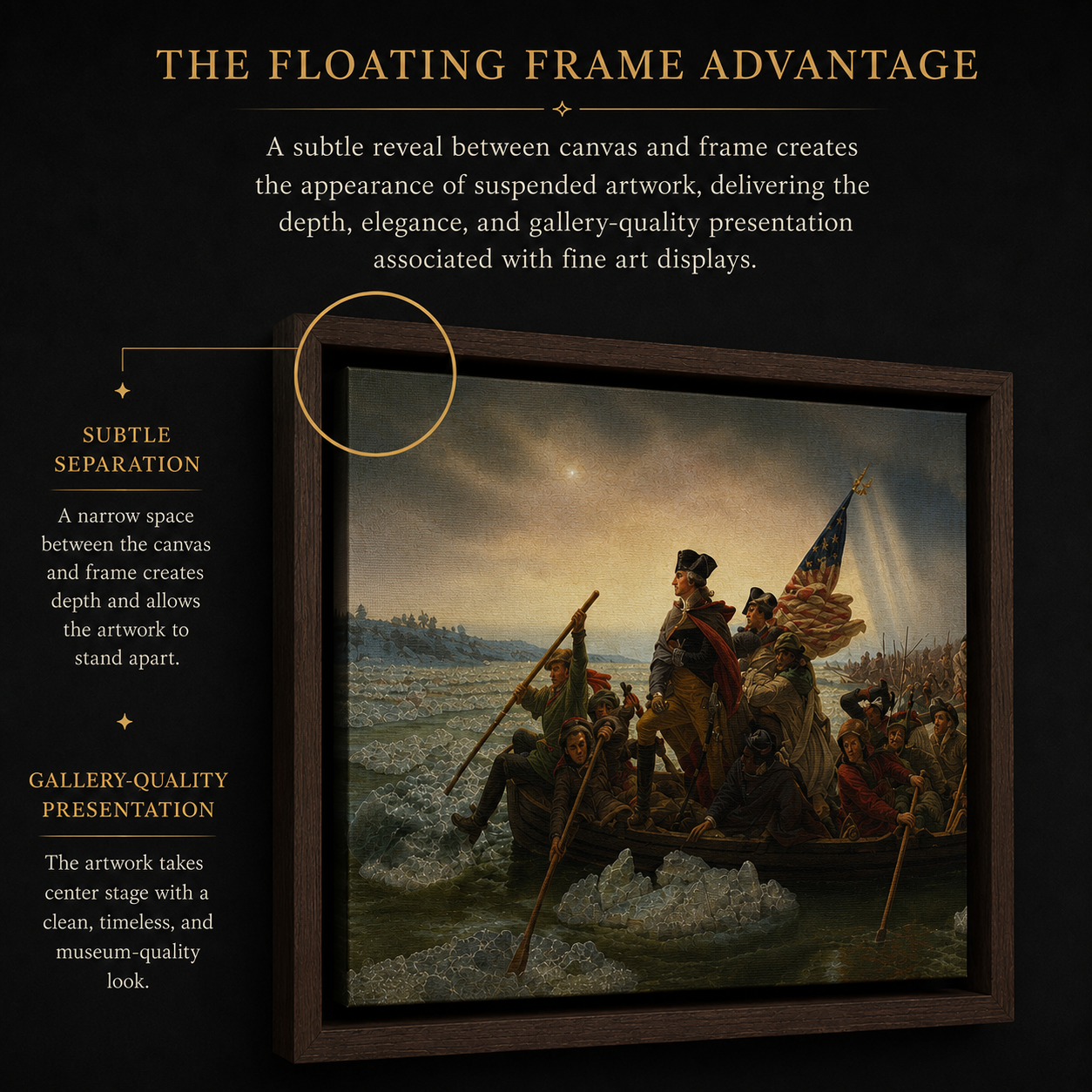
Printed on premium cotton-poly canvas with archival-quality, Greenguard Gold certified inks, it is built to the same standard of permanence the subject deserves — color that endures, detail that holds, a frame crafted from sustainably sourced FSC-certified pine that will outlast the trends.
Part of the American Legacy Collection — a curated series tracing the arc of the American story from the colonial era through World War II. Own one chapter or collect them all.
Crafted for collectors. Built to be passed down.
Frequently Asked