Washington Crossing the Delaware — Victory or Death
Emanuel Leutze (German-American, 1816–1868)
1851
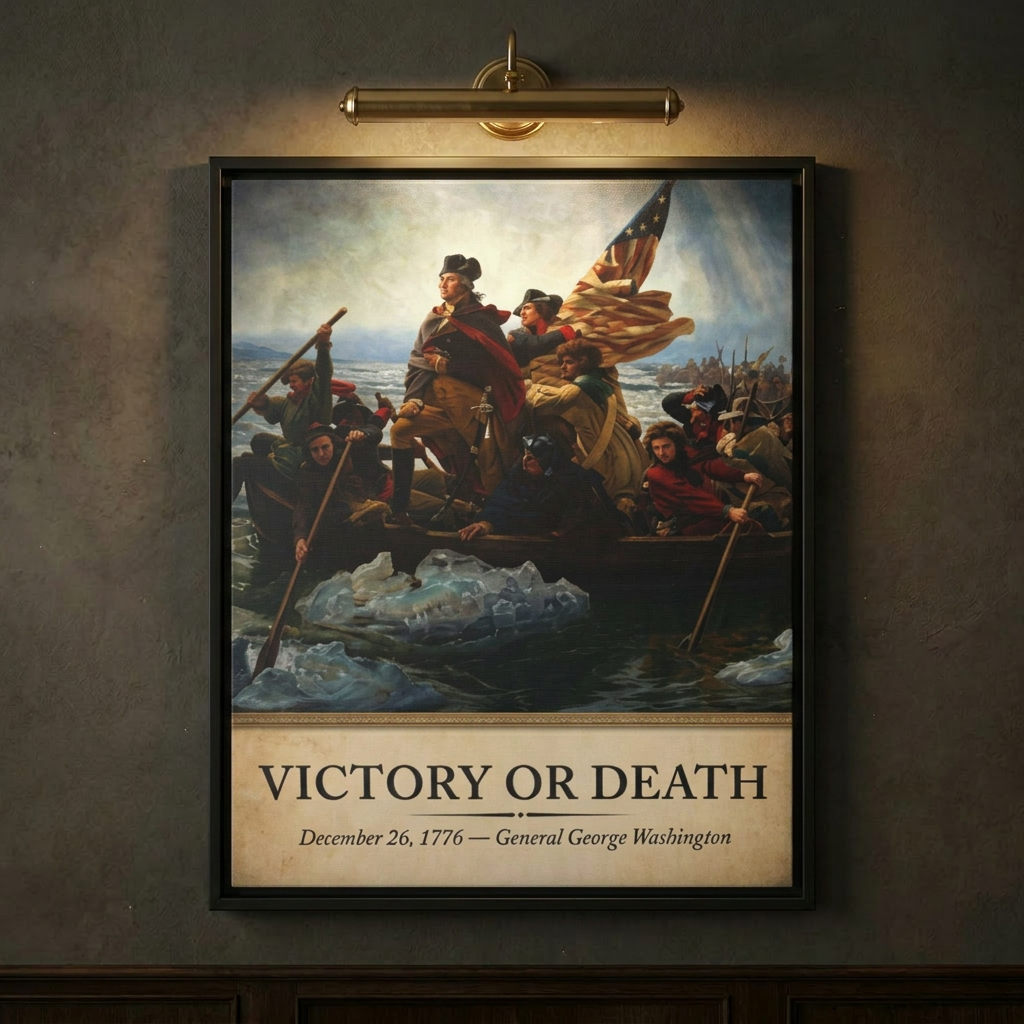
Three words. That was Washington's password for the crossing on Christmas night, 1776. Not "good luck." Not "Godspeed." Victory or Death. No contingency. No fallback. The army would cross the river, attack at dawn, and either save the Revolution or end it. This piece pairs the most famous image of that night with the words that defined it — because the painting alone tells you what happened. The password tells you what it cost to decide.
Size
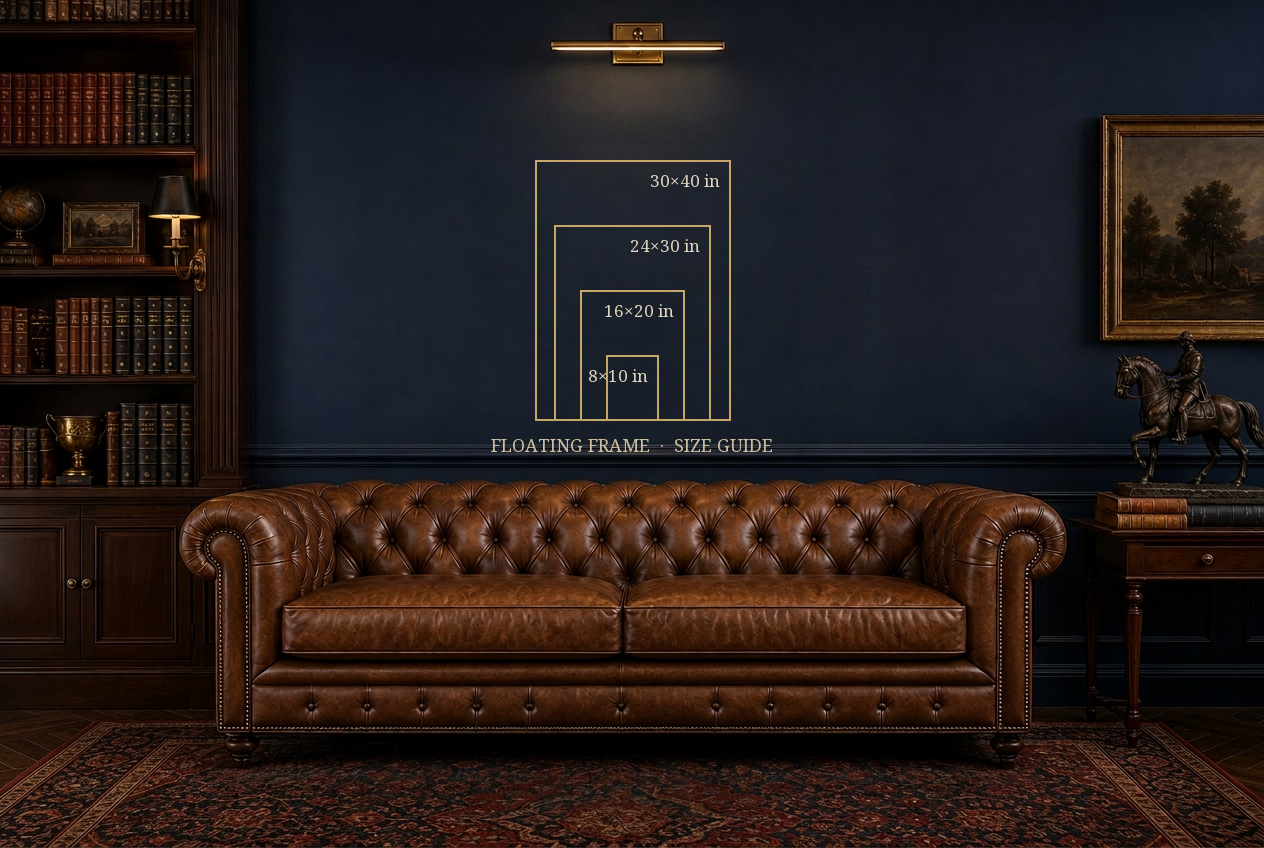
8″ x 10″ (Vertical)
Color
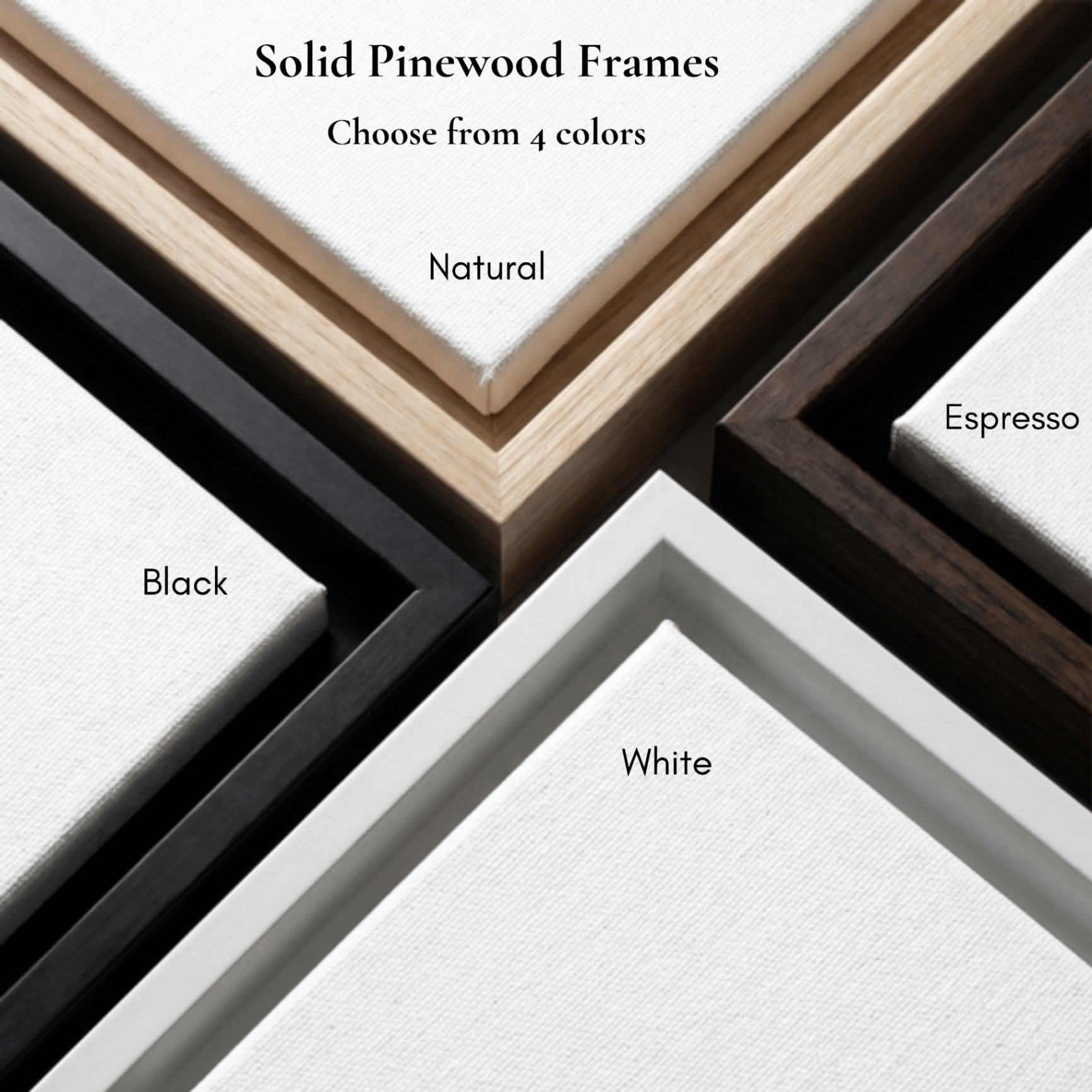
Black
The Story
What This Represents
Most people know the image. Almost no one knows the password.
On the night of December 25, 1776, before a single soldier stepped into a boat, George Washington chose three words as the operation's password — the phrase his men would use to identify themselves in the darkness, the phrase that would distinguish friend from enemy on the far bank of the Delaware.
Victory or Death.
He did not choose those words casually. A military password is a functional necessity — a few syllables, easily remembered, easily whispered. Washington chose words that were also a statement of intent. There was no third option being offered. The Continental Army would cross that river, march nine miles through sleet and darkness to Trenton, attack at dawn with complete surprise, and either win decisively or cease to exist as a fighting force. The Revolution itself hung on what happened next.
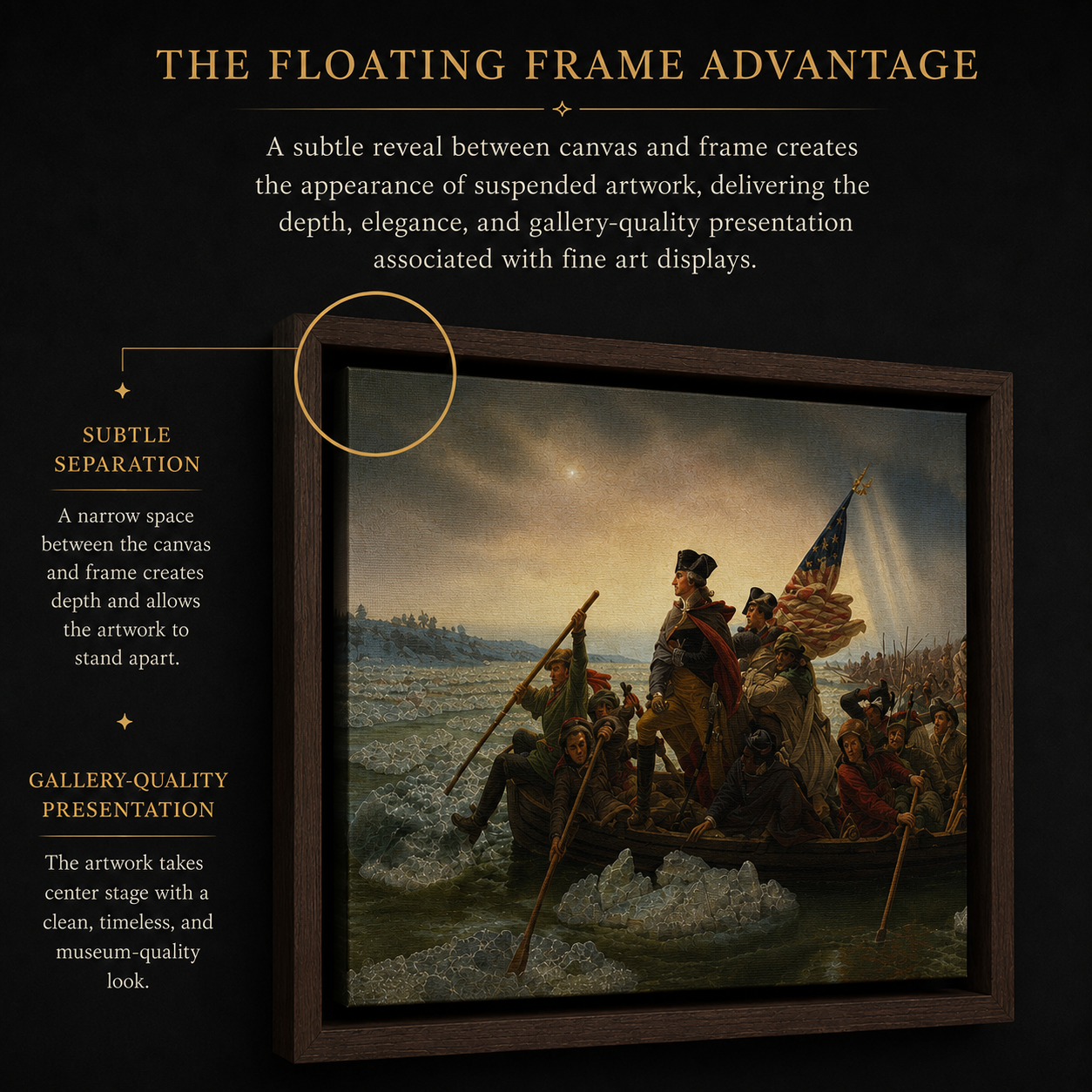
Leutze's painting captures the crossing — Washington at the prow, the ice-choked river, the soldiers straining at the oars, the flag held against the wind. It is one of the most reproduced images in American history, and for good reason. It shows the moment, the scale, the drama of what it took to cross that river in those conditions on that night.
But the password is what the painting cannot show. It cannot show the decision that preceded the crossing — the moment Washington chose those three words and everything they implied. It cannot show the knowledge, shared by every man in those boats, that there was no going back. That the operation would succeed or they would not return.
This piece brings those two things together — the image and the words — because together they tell the complete truth of December 26, 1776. The crossing happened because the decision had already been made. Victory or Death was not a battle cry shouted in the heat of combat. It was a quiet choice made in darkness before the boats even launched.
That is what made it definitive.
Why Own It
Some pieces show history. This one distills it.
This original ValleyRoadArts design belongs in the American Legacy Collection as the most concentrated expression of what the Delaware crossing actually meant — not just the famous image, but the three words that preceded it and gave it its full weight. Washington standing in that boat was not an act of impulse or bravado. It was the physical expression of a decision already made, completely, without reservation.
Victory or Death.
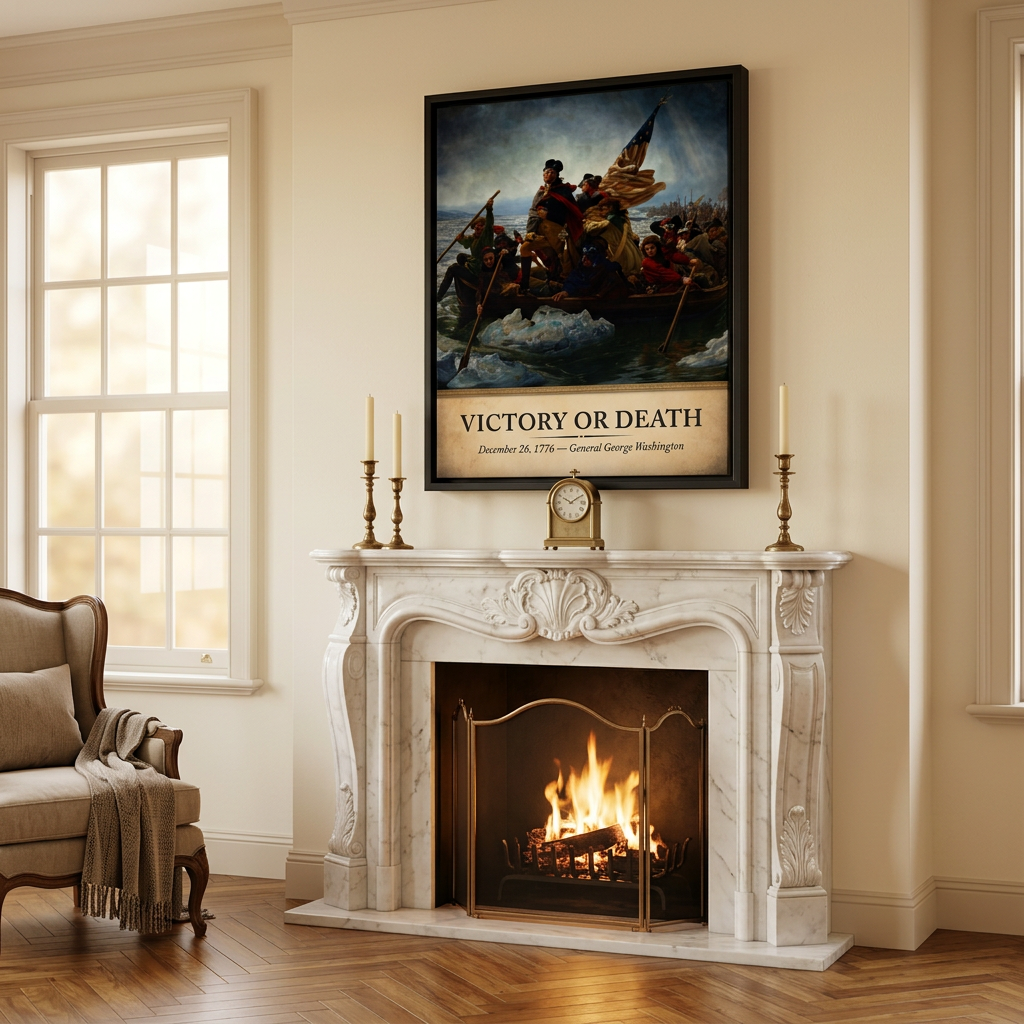
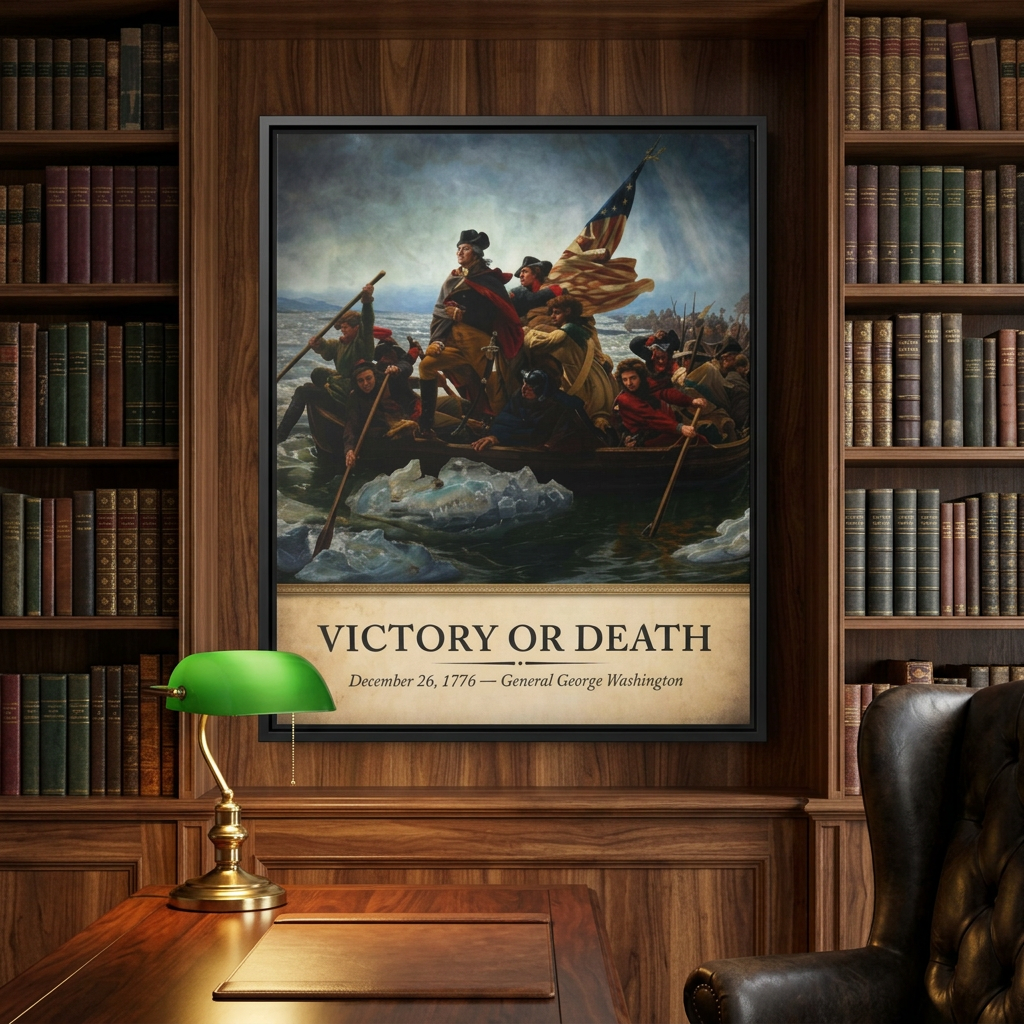
This is a piece for the office where decisions are made with that same completeness — where commitment means no contingency plan, no fallback, no half-measures. The study that draws its standard of resolve from the man who crossed a river in the dark on Christmas night because the alternative was unacceptable. The home that wants its walls to carry not just an image but a philosophy.
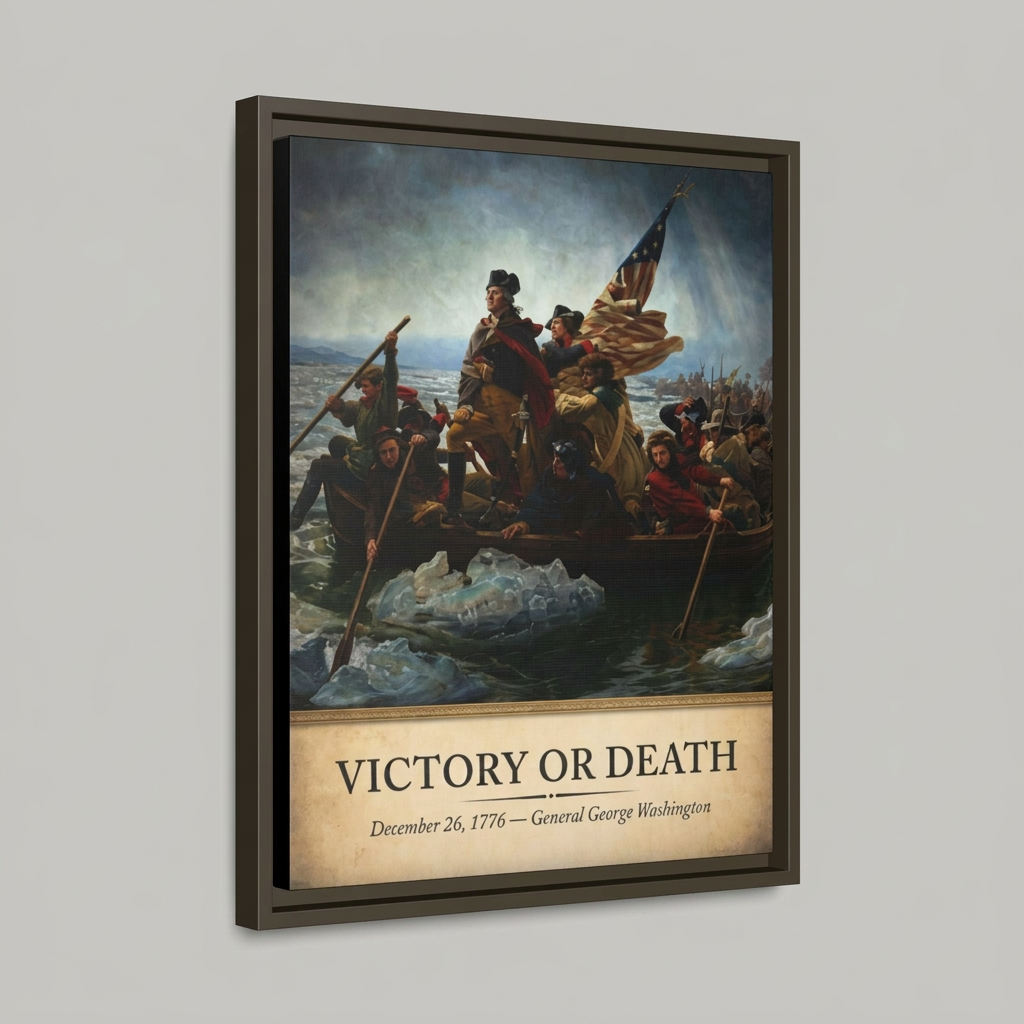
Printed on premium cotton-poly canvas with archival-quality, Greenguard Gold certified inks, it is built to the same standard of permanence the subject deserves — color that endures, detail that holds, a frame crafted from sustainably sourced FSC-certified pine that will outlast the trends.
Part of the American Legacy Collection — a curated series tracing the arc of the American story from the colonial era through World War II. Own one chapter or collect them all.
Crafted for collectors. Built to be passed down.
Frequently Asked